Song Meaning
The lyrics grapple with the inherent duality of existence, framing birth and death not as opposites but as intertwined realities. The opening lines immediately question the distinction between living and dying, suggesting a cyclical or perhaps even indistinguishable nature to both. This sets a tone of existential contemplation, where the act of living itself seems to involve a constant, almost inevitable, self-inflicted pain, as the narrator notes, "Especially our own" hearts are broken. The world moves on with a deceptive cheerfulness, hinting that appearances often mask a deeper, more complex truth.
The central tension arises from the narrator's desire for a "good death," a wish extended universally to all loved ones. This aspiration clashes with the seemingly unavoidable pain of life, characterized by broken hearts and the persistent "blues." Yet, amidst this struggle, love emerges as the redemptive force, the "enemy" of sorrow that provides solace and purpose. The repeated phrase "Born to live and die" underscores this inescapable fate, but it's immediately followed by "Forever loving you," suggesting that love is the enduring element that gives meaning to this finite existence.
The most striking craft element is the deliberate blurring of life and death's definitions. The chorus powerfully asserts, "We're born to die, no one to blame / We're born to love, we're all the same." This juxtaposition elevates love to a fundamental, unifying aspect of the human condition, as essential as the inevitability of death. The wish for a "good death" for everyone, "one for me, one for you," transforms a personal plea into a shared hope, highlighting a profound empathy that transcends individual suffering and embraces a collective destiny.
Ultimately, the lyrics resonate because they acknowledge life's inherent difficulties—the pain, the blues, the broken hearts—while simultaneously championing love as the ultimate anchor and source of meaning. The writing doesn't shy away from the darker aspects of existence but finds a profound, almost defiant, beauty in the act of loving and wishing well for others, even in the face of mortality. It’s this blend of stark realism and heartfelt idealism that makes the narrator's perspective so compelling.
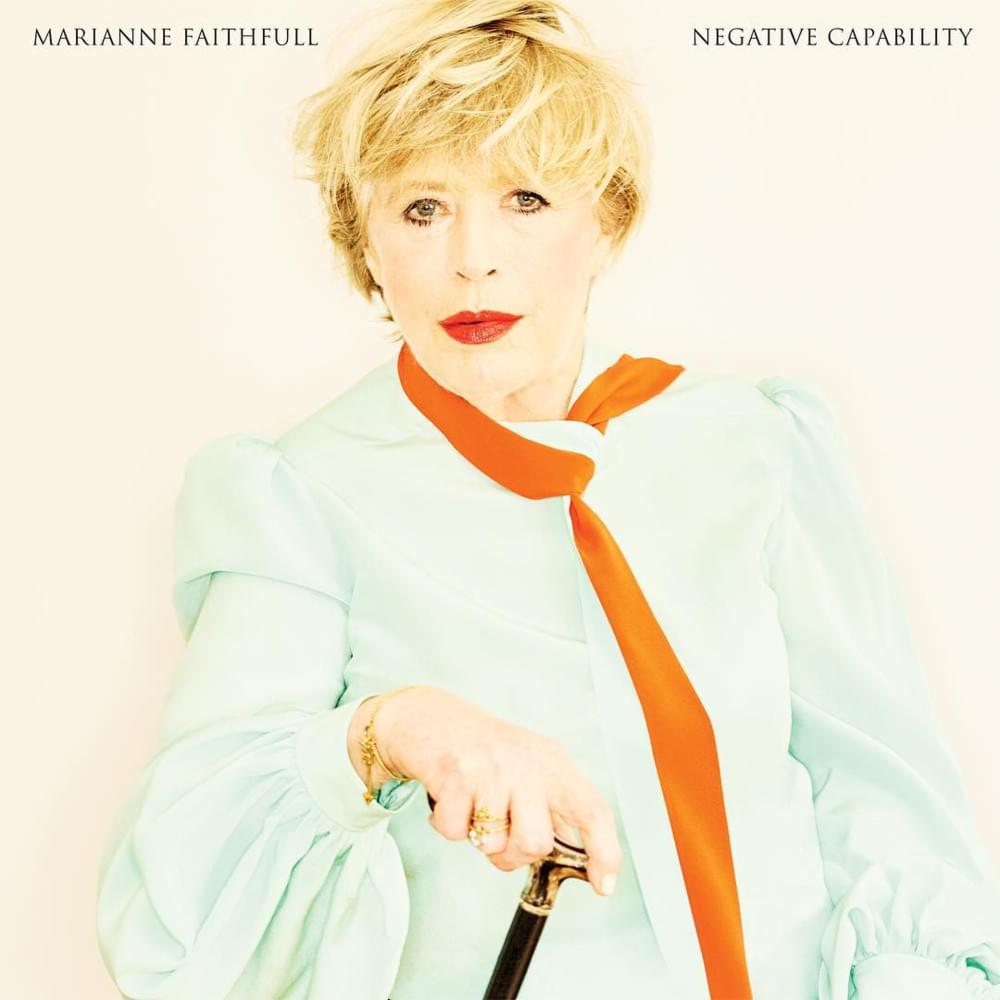
 View Artist