Song Meaning
Maria Rita's interpretation of "O Bêbado e a Equilibrista" is more than just a rendition; it's a poignant revisiting of Brazilian identity in the face of enduring pain. The song, originally popularized by Elis Regina, paints a vivid picture with its opening lines: a drunken man in mourning evoking Chaplin, the moon as a brothel madam, stars renting out their light. These images aren't just melancholic; they're laced with a specific Brazilian 'saudade' – a bittersweet longing for something lost, or perhaps, never fully possessed. The 'bêbado,' or drunkard, isn't merely a figure of despair. He embodies the irreverence and resilience of the Brazilian spirit, offering 'mil irreverências' to the Brazilian night. This speaks to a culture capable of finding humor and defiance even in the darkest of times. The lyrics analysis reveals that it's a song of political grief for those who disappeared during the Brazilian dictatorship. Henfil's brother is a reference to Betinho, a known sociologist and activist.
The song's emotional weight intensifies with the direct address, 'Meu Brasil!' It's a lament for a nation dreaming of the return of lost voices, those who 'partiu num rabo de foguete' – a stark image of forced exile or, more tragically, forced disappearance. The weeping Marias and Clarisses on Brazilian soil are not just mourning individual losses; they represent the collective trauma etched into the nation's psyche. These are the mothers, sisters, and daughters left behind, their grief a testament to the human cost of political repression. The core of "O Bêbado e a Equilibrista" lies in its tenacious grip on hope.
The recurring image of hope as an equilibrista – an acrobat balancing on a tightrope with an umbrella – is powerful. It acknowledges the precariousness of optimism in a land marked by suffering. 'Em cada passo dessa linha / Pode se machucar... Azar!' Each step forward risks pain, yet the show, the struggle, 'tem que continuar.' This isn't blind faith; it's a conscious choice to persevere, to find beauty and meaning even when teetering on the edge. Maria Rita's delivery amplifies this sense of determined vulnerability, transforming a song of mourning into a testament to the enduring strength of the Brazilian people.
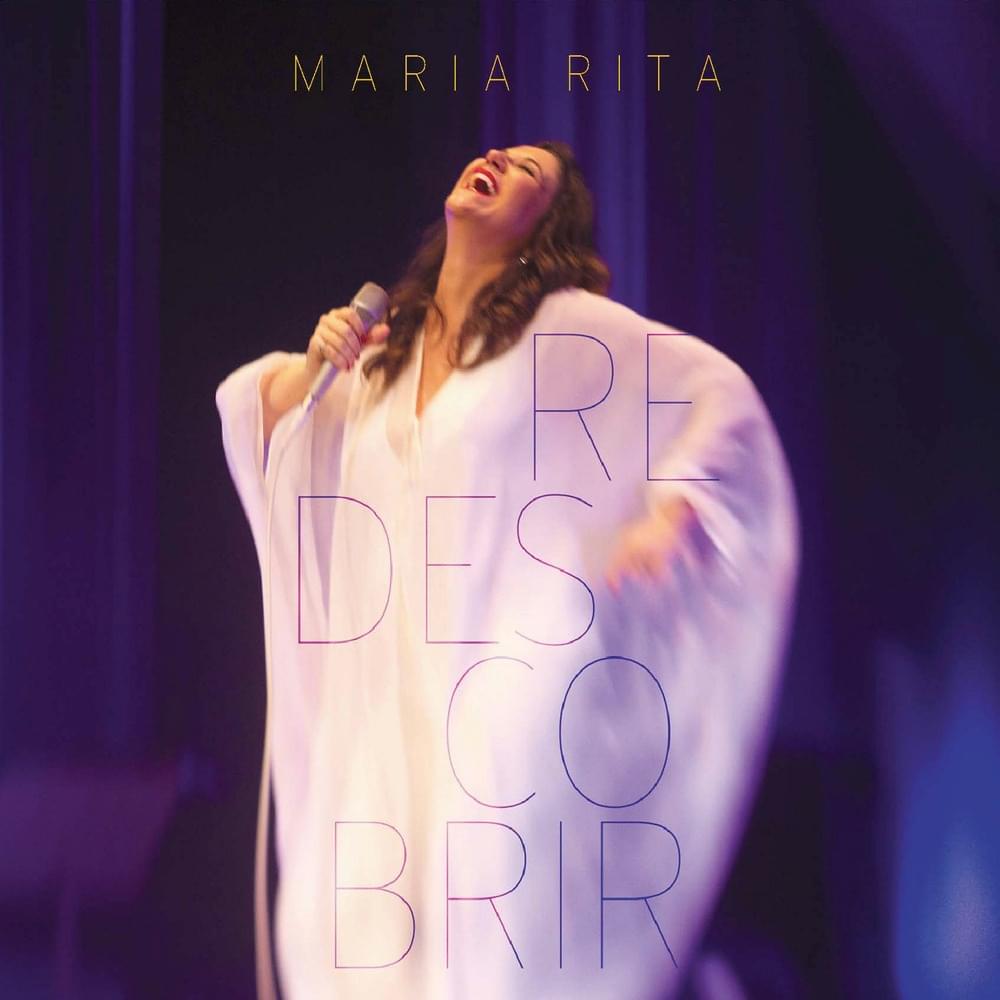
 View Artist