Song Meaning
Maria Rita's "Menino" isn't just a song; it's a visceral indictment of silence in the face of brutality. The lyrics, sung in Portuguese, paint a stark picture of a young boy's death, not just from a physical wound ("a bala riscou no peito" - the bullet scratched the chest), but from the complicity of those who remain silent. The opening lines, "Quem cala sobre teu corpo / Consente na tua morte" (Who is silent about your body / Consents to your death), establish this central theme of culpability through inaction. Rita implicates not just the perpetrator of the violence, but the entire community that allows it to happen. The "song meaning" is therefore a lament, a protest, and a call to action. It's a pointed commentary on the social structures that perpetuate violence, particularly against vulnerable populations.
The imagery is striking and unflinching. Phrases like "Talhada a ferro e fogo / Nas profundezas do corte" (Carved in iron and fire / In the depths of the cut) evoke the brutal reality of the boy's suffering. The metaphor of the clock on the ground ("Relógio no chão da praça / Batendo, avisando a hora" - Clock on the ground of the square / Beating, warning the hour) suggests that time is running out, both for the boy and for a society that tolerates such violence. The "lyrics analysis" reveals that Rita is not simply reporting an event; she's dissecting the societal cancer that allows it to occur. The "incêndio repetido" (repeated fire) speaks to a cycle of violence that continues unchecked.
The reference to the "brilho do teu cabelo" (shine of your hair) at the end is particularly poignant. It is a detail of innocence, a reminder of the boy's humanity stripped away by violence. The juxtaposition of this simple, beautiful image with the preceding descriptions of violence creates a powerful and unsettling effect. The song is not just about the loss of a life; it's about the loss of potential, the extinguishing of light. "Menino" transcends its specific context, becoming a universal cry against injustice and a potent exploration of the psychological toll of silence. Maria Rita uses her art to force listeners to confront uncomfortable truths and to consider their own role in perpetuating or dismantling systems of oppression.
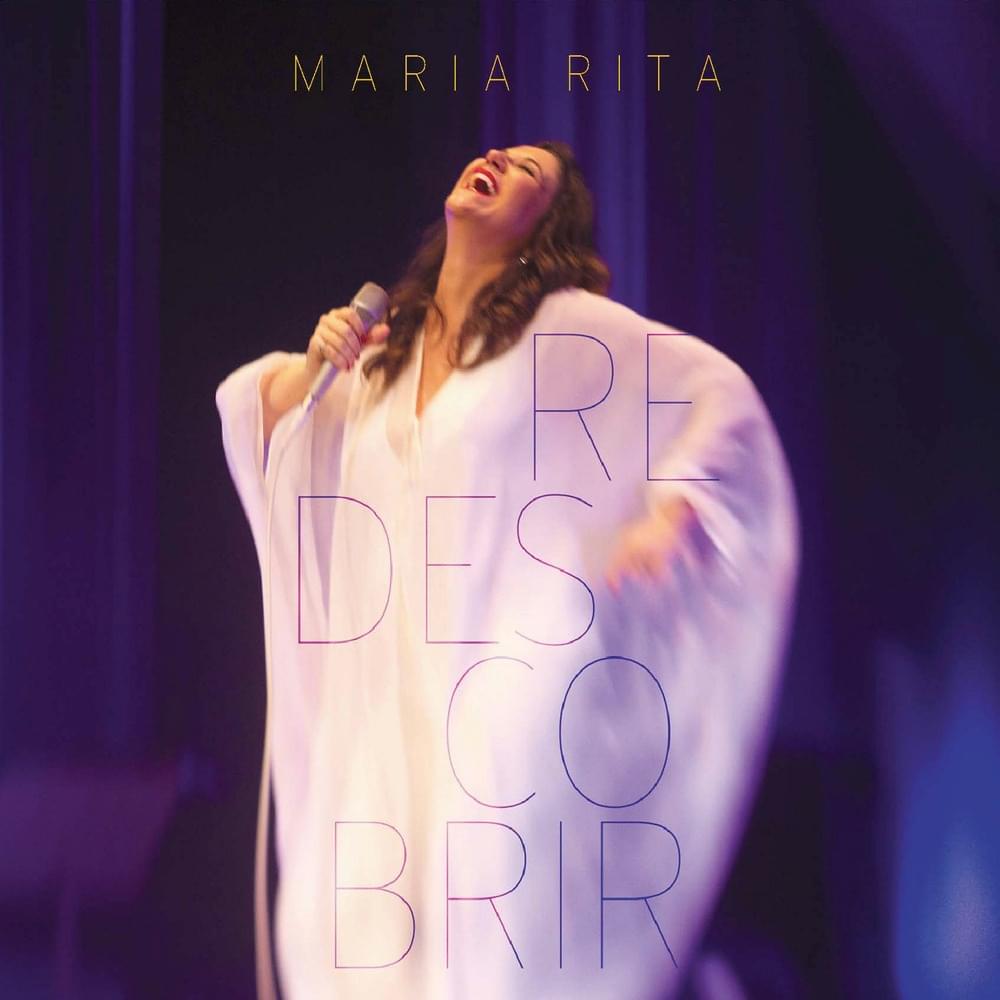
 View Artist