Song Meaning
Maria Rita's "Meu Samba Sim Senhor" isn't just a song; it's a vibrant declaration of cultural identity and an ode to the intoxicating joy of Samba. The lyrics, simple yet profound, paint a picture of an artist returning to her roots, not out of obligation, but from a deep-seated need to connect with her heritage. It's a return fueled by "todo meu amor" – a complete and unwavering love. This isn't just about singing; it's about representing, about embodying the spirit of Samba and sharing its infectious energy with her "povo," her people. The song avoids complex metaphors, choosing instead to focus on the raw, unfiltered emotion of belonging.
The chorus, a repeated affirmation – "Meu Samba, sim senhor!" – acts as a powerful mantra. It’s not a question but a statement of fact, a proud and unyielding claim to her musical lineage. The mention of "Meu bloco tá na rua" further reinforces this sense of community and collective joy. The bloco, a street band or carnival group, symbolizes the vibrant, participatory nature of Samba. It's music meant to be experienced, not just listened to. The lyrics subtly touch on the almost addictive nature of this connection: "Longe de você me dá saudade!" The saudade – a uniquely Portuguese and Brazilian form of longing – hints at a deeper psychological need for this cultural immersion.
Ultimately, "Meu Samba Sim Senhor" transcends the typical boundaries of a song. It becomes a testament to the power of cultural identity, the unifying force of music, and the profound joy that comes from belonging. Maria Rita isn't just singing about Samba; she's embodying it, sharing its spirit with anyone willing to listen. The song's meaning lies not in deciphering hidden metaphors, but in recognizing the pure, unadulterated passion that fuels its every note.
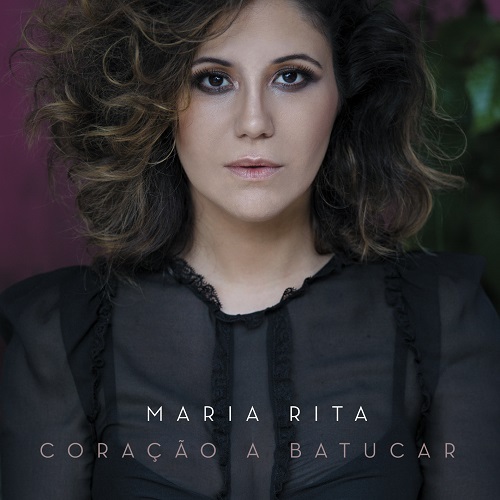
 View Artist