Song Meaning
Maria Rita's "Fogo No Paiol" pulses with a restless energy, a yearning for transformation that transcends mere escapism. The opening lines, "Quero navegar quem sabe o tempo / Mudar tudo de lugar," establish a desire to disrupt the status quo, to navigate time itself and rearrange the furniture of existence. It's not simply about moving from one place to another; it's about fundamentally altering the coordinates of her reality. This is a sentiment that resonates deeply in a world often perceived as stagnant and predetermined. The plea, "Diz onde vai dar me leve e pare / De dizer que não repara," suggests a frustration with being overlooked, a longing to be seen and understood in her journey. There's a subtle demand for acknowledgment, a refusal to be a passive observer. This call for recognition is the emotional heart of the song. She wants to be seen not just for where she is going, but for who she is *while* she is going.
The declaration, "Olha eu cheguei de muito longe / Eu sou fogo no paiol," is where the song's defiant spirit truly ignites. "Fogo no paiol" (fire in the haystack) is a Portuguese idiom that signifies someone or something that is explosive, unpredictable, and full of potential for disruption. It's a bold self-assessment, claiming both a hard-won arrival ("Eu cheguei de muito longe") and an inherent volatility. Rita isn't just present; she's a force to be reckoned with. She is a contained explosion waiting to happen. This is particularly powerful in the context of Brazilian music, where female artists often navigate complex expectations of both strength and vulnerability.
The final lines, "E todo dia quase toda hora / Pode até chover lá fora / No barraco ainda faz sol," offer a glimpse of resilience and self-sufficiency. Even amidst external turmoil ("Pode até chover lá fora"), she maintains an inner warmth and light ("No barraco ainda faz sol"). The "barraco," a simple shack, becomes a symbol of inner strength, a sanctuary where her spirit remains undeterred. The song meaning, therefore, isn't just about the desire for change, but about the internal fire that fuels that desire, a fire that burns bright regardless of external circumstances. Maria Rita delivers a potent statement about personal agency and the unwavering pursuit of one's own path, a message of enduring relevance.
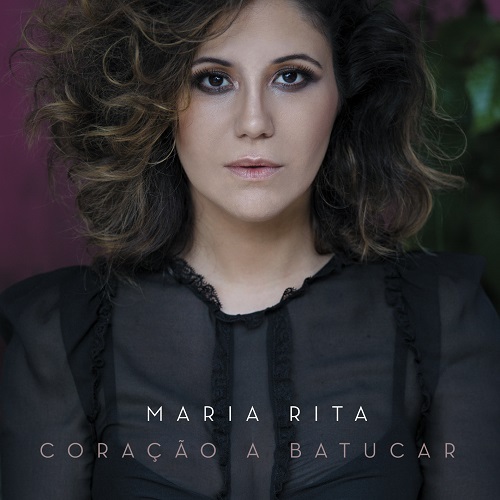
 View Artist