Song Meaning
The narrator paints a picture of a long-standing, deep love, calling her partner her "Romeo" since school days and affirming her unwavering devotion. Yet, a powerful internal conflict prevents her from fully committing to marriage. This isn't a lack of love, but a struggle with her own "wicked side," a restless spirit that keeps her from being ready for the bride's "dress of white."
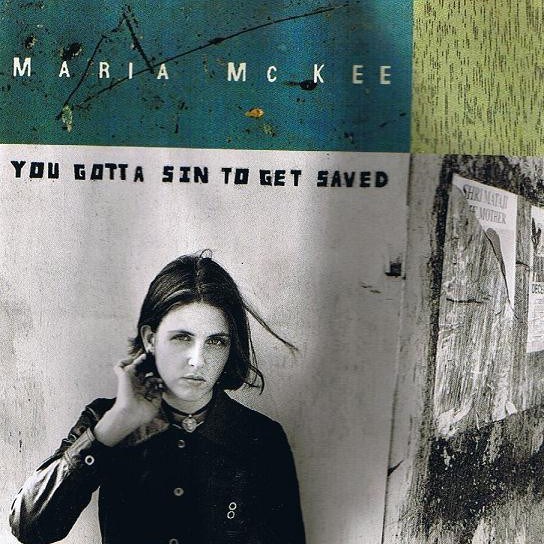
The central tension lies in the paradox of wanting to be a devoted bride while feeling an irresistible pull towards something wilder, described as a "sea of boys" and a "rovin' eye." She acknowledges the potential harm in her wandering gaze but insists "there ain't no harm in lookin'," suggesting a desire for exploration or perhaps a flirtatious nature that clashes with the expected purity of marriage. This internal battle is framed as a necessary precursor to salvation, hence the defiant chorus: "You gotta sin to get saved."
The most striking craft element is the juxtaposition of traditional marital imagery with a rebellious, almost sinful present. She wears "scarlet" while aspiring to "white," a potent visual contrast that highlights her current state of internal conflict. The repeated phrase "tame my wicked side" acts as a refrain for this struggle, emphasizing that true commitment requires confronting and perhaps even embracing, rather than eradicating, this part of herself.
This lyrical approach is effective because it grounds a complex emotional state in relatable imagery and a defiant, yet vulnerable, declaration. The narrator isn't simply confessing infidelity; she's articulating a need for self-acceptance and a belief that wholeness, even a path to marital "salvation," might require acknowledging and integrating her less conventional desires. The chorus serves as a powerful, almost gospel-tinged plea for understanding and faith in her eventual readiness.
 View Artist