Song Meaning
The narrator reflects on a past period of effortless joy and abundance, characterized by a supportive entourage and an "easy ride." This golden era, filled with "loads of time" and "little worry," is now viewed through a lens of profound regret. The central question, repeated with increasing urgency, is a self-accusation: "Why wasn't I more grateful?"
The core tension arises from the stark contrast between past blessings and present longing. The narrator explicitly states she "had a good man I took him for granted," and now "surely, surely, surely, surely miss him." This personal loss amplifies the general sense of squandered good fortune, highlighting a common human failing: failing to appreciate what you have until it's gone. The lyrics distinguish this from others' perpetual dissatisfaction, noting "Some people want and want and want what they don't have" or "complain about every little thing," suggesting the narrator's regret stems from a specific, personal blindness rather than a general disposition.
The most striking aspect of the craft is the relentless, almost obsessive repetition of the central question, "Why wasn't I more grateful?" This isn't just a rhetorical query; it's a desperate plea for understanding and an admission of profound self-blame. The simple, almost childlike phrasing of "When life was sweet, when life was sweet?" underscores the perceived simplicity of the past and the painful complexity of the present realization. The final lines, a direct address "To the Lord more grateful," suggest a spiritual dimension to this regret, a wish for divine understanding or perhaps a plea for future grace.
This lyrical construction is effective because it taps into a universal experience of hindsight and regret. The narrator's direct, unvarnished self-criticism, coupled with the simple yet powerful imagery of a "golden girl" and a lost "good man," makes the emotional weight palpable. The song doesn't offer easy answers but instead immerses the listener in the raw, aching feeling of "wonderin' what might've been," a sentiment that resonates deeply with anyone who has ever looked back and wished they'd appreciated the good times more.
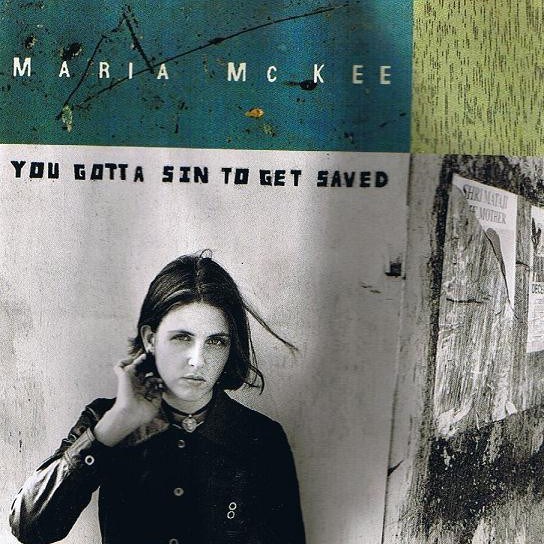
 View Artist