Song Meaning
The lyrics paint a poignant picture of encountering a past self or someone deeply familiar, now seemingly untouched by cynicism. The narrator observes this figure with a mix of longing and protectiveness, wishing to shield them from the inevitable harshness of the world. This desire to preserve innocence clashes with the narrator's own acknowledgment of change and the shared vulnerability they feel.
The core tension lies in the narrator's complex relationship with this past self, or perhaps a younger version of themselves. They express a desire to "hold you / And protect you from the change," yet simultaneously admit, "I know it's gonna happen anyway." This resignation is compounded by a plea for guidance: "I'm dependin' on you to teach me / All the things I forgot I ever knew," revealing a profound sense of loss and a desperate need for rediscovery.
The most striking lyrical device is the recurring phrase "nobody's child." Initially presented as a statement about the observed figure's perceived innocence in a harsh world ("In a world like ours you're nobody's child"), it evolves into a shared identity. By the second chorus, it becomes "our nobody's child," and finally, the narrator claims it for themselves in the last line, "I'm nobody's child." This shift suggests a profound realization of shared abandonment or a collective struggle for belonging, moving from an external observation to an internal, defining characteristic.
This emotional arc is deeply effective because it grounds abstract feelings of loss and vulnerability in concrete, relatable imagery. The contrast between the "wide eyed" observer and the narrator's own jaded perspective, coupled with the shared dependency ("Baby, you can lean on me / I may lean a little too"), creates a powerful sense of mutual need. The final declaration of being "nobody's child" transforms a potentially bleak statement into a defiant embrace of shared resilience, suggesting that in this mutual vulnerability, a new beginning, a "revival," can emerge.
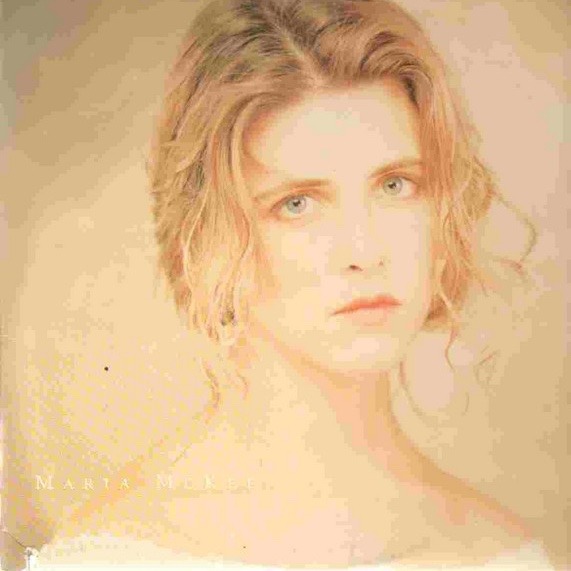
 View Artist