Song Meaning
The narrator grapples with a profound sense of isolation, questioning if their deep-seated loneliness is a shared human experience. The opening lines immediately establish a raw, almost desperate plea against an inexplicable solitude, wishing for an unfeeling existence. This yearning for emotional detachment stems from a painful past where love was perceived as a betrayal, leaving behind a residue of shame and a profound sense of being wronged. The repeated question, "Am I the only one who's ever felt this way?" underscores this central theme of isolation, framing their suffering as potentially unique and unacknowledged.
The lyrics paint a vivid picture of emotional exhaustion and disillusionment. The narrator describes a heart that's "worn and weathered," yet paradoxically, it continues to engage in the painful pursuit of love, treating it like a battle or a crime. This internal conflict is palpable, as the past experiences have clearly taken a toll, leaving "years on my face." The imagery of being "wrung and strung out" powerfully conveys the physical and emotional depletion that results from these repeated heartbreaks. It suggests a cycle of vulnerability and pain that the narrator seems unable to escape.
A striking element of the craft is the personification of despair and resilience. The "shadow in the mirror" that "she's laughin' through her tears" is a complex image. It suggests a fractured self, where a part of the narrator can find a dark humor in their own suffering, even as they struggle to maintain a facade of normalcy with "one more smile's all I can fake." This internal duality highlights the immense effort required to simply exist when facing such deep emotional wounds, described as a "wound inside me" that's "bleeding like a flood."
Ultimately, the effectiveness of these lyrics lies in their unflinching portrayal of emotional desolation and the desperate search for connection through shared experience. The repeated, almost prayer-like plea for validation, "God help me, am I the only one who's ever felt this way?" resonates because it articulates a universal fear of being utterly alone in one's pain. The lyrics capture the crushing weight of unspoken suffering and the profound human need to know that one is not the sole bearer of such burdens, even when hope itself feels insufficient against the relentless onslaught of despair, depicted as a wave that "pounds me."
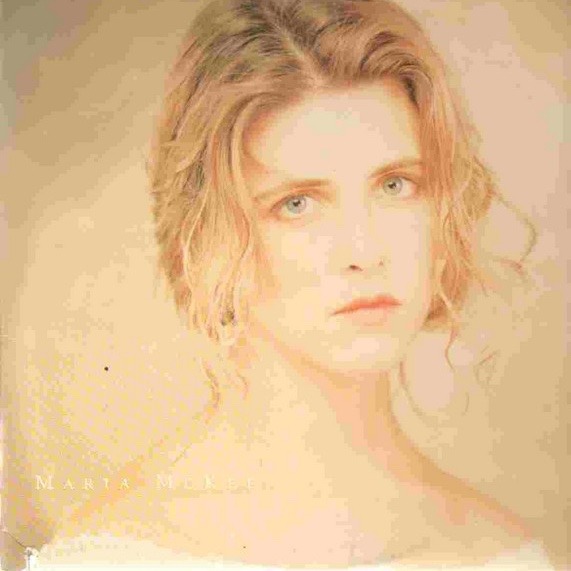
 View Artist