Song Meaning
Margareth Menezes' "Você Virou Fumaça" isn't just a kiss-off; it's a declaration of independence, a sonic puff of smoke signaling the definitive end of a toxic relationship. The song pulses with a newfound sense of self, a reclamation of power after a period of being, as she sings, someone's "prey." The lyrics drip with the confidence of a woman who has not only survived but thrived after extricating herself from a damaging connection. The opening lines immediately establish the shift in dynamics: the former lover mistakenly believes he can win her back, but she asserts she is a changed woman, no longer susceptible to his charms. This isn't a plea; it's a boundary, etched in steel.
The core of the song meaning revolves around recognition and release. Menezes sings, "Hoje eu sei aonde dei o meu nariz" (Today I know where I gave my nose), a striking metaphor for understanding where she went wrong, where she compromised her own identity within the relationship. The verses highlight the strategies she's employed to sever the emotional ties: his perfume no longer affects her, she's happier without him, and she refuses to follow his path. There's a hint of spiritual defiance in the lines about demons and heaven, suggesting that this relationship was not only unhealthy but also morally compromising to her sense of self. The repetition of "Você virou fumaça" (You turned to smoke) emphasizes the complete and utter evaporation of the former lover's influence.
The transformation from victim to victor is complete in the latter half of the song. She no longer allows him entry into her life, viewing him as a "bad move" in a game she ultimately won. The imagery of throwing him into the fire in a public square and watching him turn to smoke is powerful and cathartic. It signifies a burning away of the past, a public exorcism of the negativity he represented. "Você Virou Fumaça" is a potent anthem of self-discovery and liberation, resonating with anyone who has emerged stronger from the ashes of a broken relationship. It's a reminder that sometimes, the most empowering act is to simply watch someone fade away.
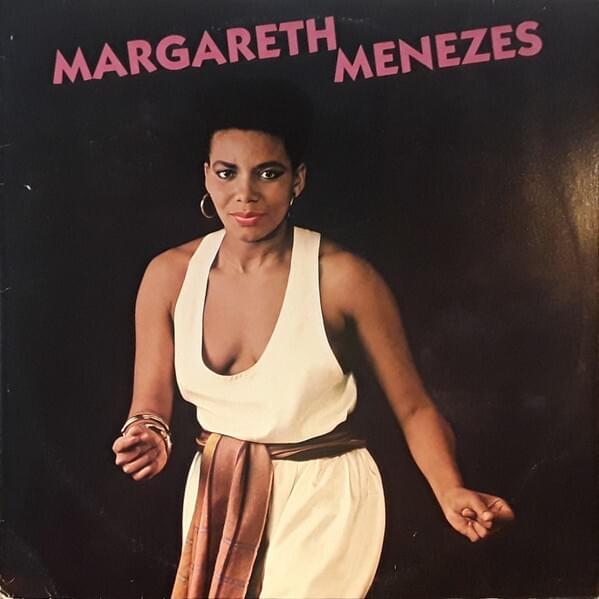
 View Artist