Song Meaning
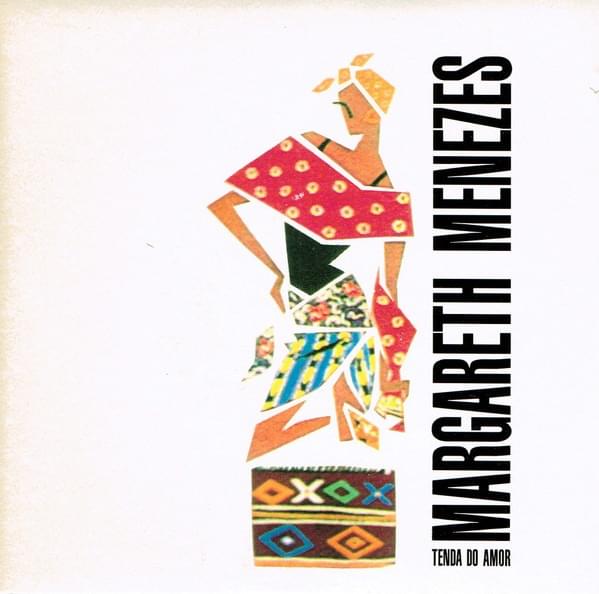
Margareth Menezes's "Tenda do Amor (Magia)" isn't just a song; it's an incantation, a vibrant declaration of self rooted in the Afro-Brazilian diaspora. The lyrics, though simple on the surface, pulse with a deep connection to heritage and spirituality. Menezes builds a personal and cultural identity through potent symbols. When she repeats "Eu sou magia," she isn't just claiming a sense of wonder; she's invoking the power inherent in her lineage.
The song meaning is interwoven with geographical and cultural touchstones. "Cidade azul" evokes a sense of place, perhaps alluding to specific locations in Brazil known for their Afro-Brazilian culture, while "Caribe" broadens the scope, acknowledging the shared history of the African diaspora in the Americas. References to "Opô Afonjá," "Rastafari do Olodum," and "Iorubá e Malê" ground the song firmly in specific religious and cultural traditions, highlighting the syncretism that characterizes much of Afro-Brazilian identity. These aren't just name-drops; they are building blocks of her self-defined 'magic'.
Ultimately, "Tenda do Amor (Magia)" is about the power of self-identification. It's a celebration of heritage, a reclaiming of identity, and an assertion of personal power. Menezes isn't just singing about her roots; she's embodying them. The "tenda do amor" (tent of love) is not just a physical space but a metaphorical one, a sanctuary built on cultural pride and spiritual connection. The song invites listeners to find their own magic, their own power, in the wellspring of their ancestry.
 View Artist