Song Meaning
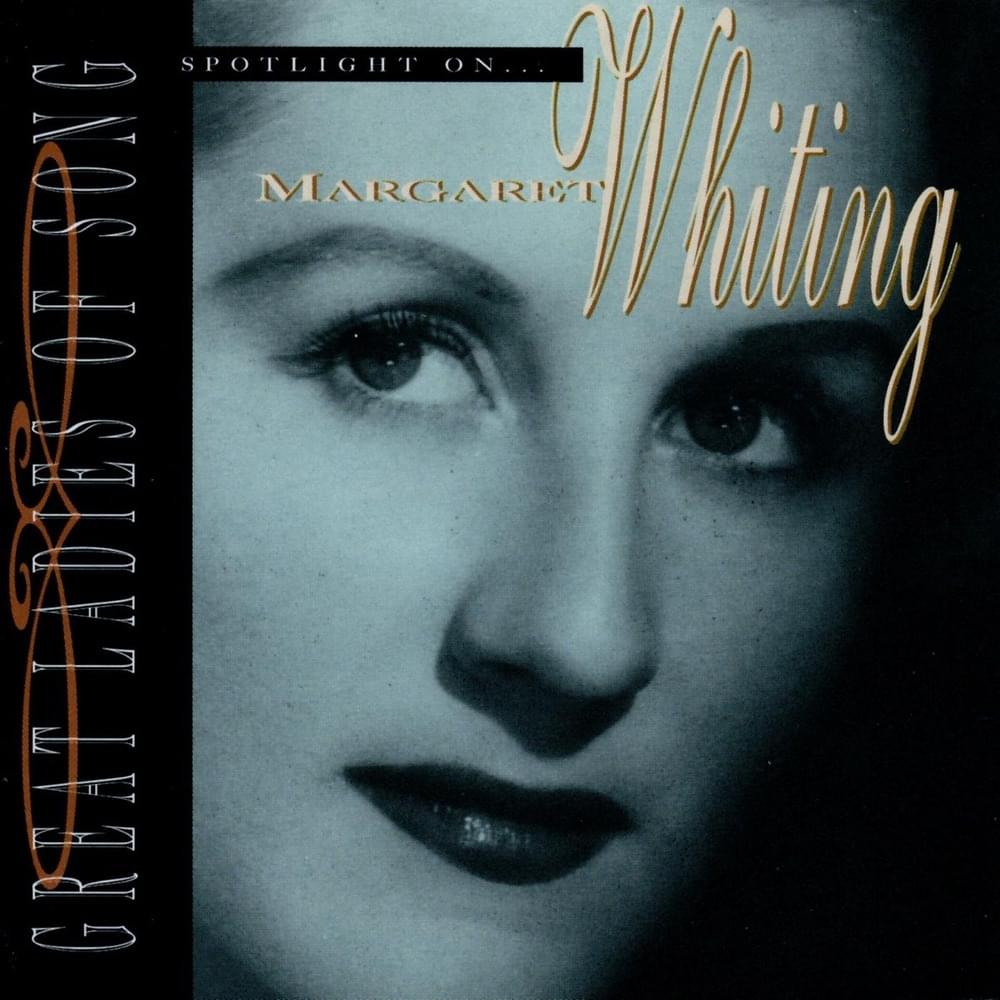
Margaret Whiting’s "But Not for Me" is a masterclass in sophisticated resignation. It's a brittle, almost theatrical sigh directed at the cruel ironies of romantic fate. The opening lines establish a world saturated with love songs and fortunate omens, pointedly declaring Whiting's exclusion: "They're writing songs of love, but not for me / A lucky star's above, but not for me." This isn't a raw, wounded cry of heartbreak; it's the carefully composed lament of someone acutely aware of love's pervasive presence and their own conspicuous absence from its narrative. The "clouds of gray" exceeding even the gloomiest Russian play is a particularly evocative image, suggesting an almost comical level of romantic misfortune.
The song's central tension lies in the acknowledgment of past infatuation clashing with the acceptance of present reality. Whiting admits, "I was a fool to fall and get this way," yet the memory of "his kiss" lingers, proving impossible to fully dismiss. This isn't a clean break; it's a perpetual loop of longing and acceptance. The interjection of "Heigh ho, alas, and also lack-a-day" feels almost like a performative grieving, a self-conscious enactment of sorrow that hints at a deeper, more complicated emotional landscape. It's as if Whiting is both experiencing and observing her own heartbreak, adding a layer of intellectual detachment to the emotional pain.
Ultimately, "But Not for Me" explores the bittersweet reality of unrequited or unattainable love. It's not a song about wallowing in despair, but rather about acknowledging the disparity between romantic ideals and personal experience. The understated delivery, combined with the elegant simplicity of the lyrics, creates a poignant portrait of someone navigating the complexities of love with a mixture of sadness, humor, and a quiet, enduring grace. The song meaning resides not just in the words, but in the delicate balance between vulnerability and self-possession that Whiting so expertly conveys.
 View Artist