Song Meaning
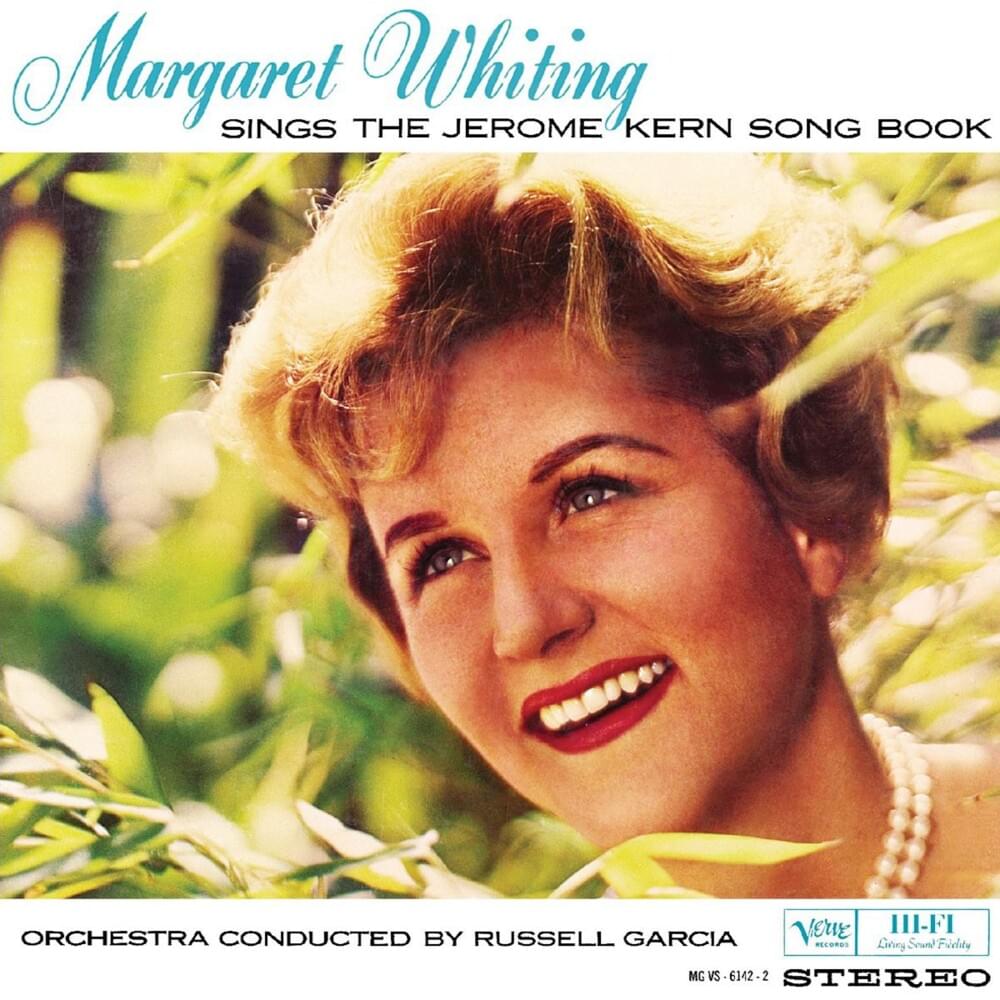
{"song_id": 14269557, "meaning": "Margaret Whiting's \"All in Fun\" initially presents a portrait of detached, sophisticated dalliance, the kind that flickered across Manhattan's nightlife in a bygone era. The lyrics sketch a scene of socialites flitting between El Morocco and The Stork, indulging in champagne-fueled evenings and a carefully curated image of carefree companionship. The repeated phrase \"That's the way it stands\" acts as a defensive mantra, a shield against deeper emotional investment. They are \"strictly good-time-Charlies,\" ostensibly just \"kick[ing] romance around\" for amusement, reinforcing a narrative of playful, consequence-free interaction. But beneath the veneer of lightheartedness, cracks begin to appear.
The song's undercurrent of anxiety surfaces in the lines contemplating \"How far can it go?\" and the awareness of being linked to someone in a gossip column. This hints at the social pressure and potential judgment lurking beneath the surface of their \"fun.\" The singer protests too much, insisting that their involvement is \"all in fun,\" almost as if trying to convince herself more than anyone else. There's a subtle desperation in maintaining this facade, a fear of vulnerability or of being perceived as genuinely interested.
The final twist, however, reveals the carefully constructed defense mechanism crumbling. With a sardonic \"Well, here's the laugh / And when I tell you, this'll kill you / What they say is true,\" Whiting exposes the charade. The rumors, the whispers, the assumptions – they're all accurate. The singer *is* in love, despite all attempts to frame the relationship as a game. The confession, delivered with a mix of resignation and wry humor, suggests that the game was lost all along, and the \"fun\" was merely a way to mask a deeper, more vulnerable truth. The song ultimately explores the tension between social performance and genuine emotion, and the quiet heartbreak of realizing that sometimes, the joke's on you."}
 View Artist