Song Meaning
Margaret Glaspy's "You and I" isn't a love song; it's a post-mortem delivered in real-time. The track crackles with the electricity of a relationship on the verge of implosion, not from external forces, but from fundamentally mismatched expectations. Glaspy lays bare the core conflict: one partner's desire for a casual affair clashes violently with the other's burgeoning emotional investment. The opening lines, "tonight I'm a little too turned on to talk about us/And tomorrow I'll be too turned off and won't give a fuck," are a brutal thesis statement. It’s the sound of someone who prizes detachment, perhaps as a defense mechanism against vulnerability. This isn't about a lack of attraction; it's about a refusal to engage with the potential consequences of intimacy.
The repeated chorus, "I don't wanna see you cry/But it feels like a matter of time," speaks volumes. It's not empathy that motivates this sentiment, but rather a pragmatic awareness of the inevitable fallout. Glaspy understands that their divergent perspectives are unsustainable, creating a ticking time bomb of hurt feelings. The lyrics hint at a power imbalance, where one person is meticulously analyzing every gesture ("A smile is just a smile/A kiss is just a kiss/Though I see you all the while reading into it"), desperately seeking validation and meaning where none is intended. This over-analysis, born from a desire for connection, is precisely what the other partner seeks to avoid.
Ultimately, "You and I" is a raw and unflinching examination of emotional incompatibility. Glaspy dismantles the romantic ideal, exposing the messy, often painful reality of relationships built on unequal footing. The line "Nothing's lost if nothing's gained" perfectly encapsulates the emotional calculus at play. It's a defense mechanism against vulnerability, a preemptive strike against potential heartbreak. The final verse, admitting that "You and I have been a mistake/I let it linger too long," is a stark acknowledgement of the damage done, a reluctant acceptance of the consequences of prolonged emotional misalignment. The song's meaning resides not in a celebration of love, but in a dissection of its agonizing failure.
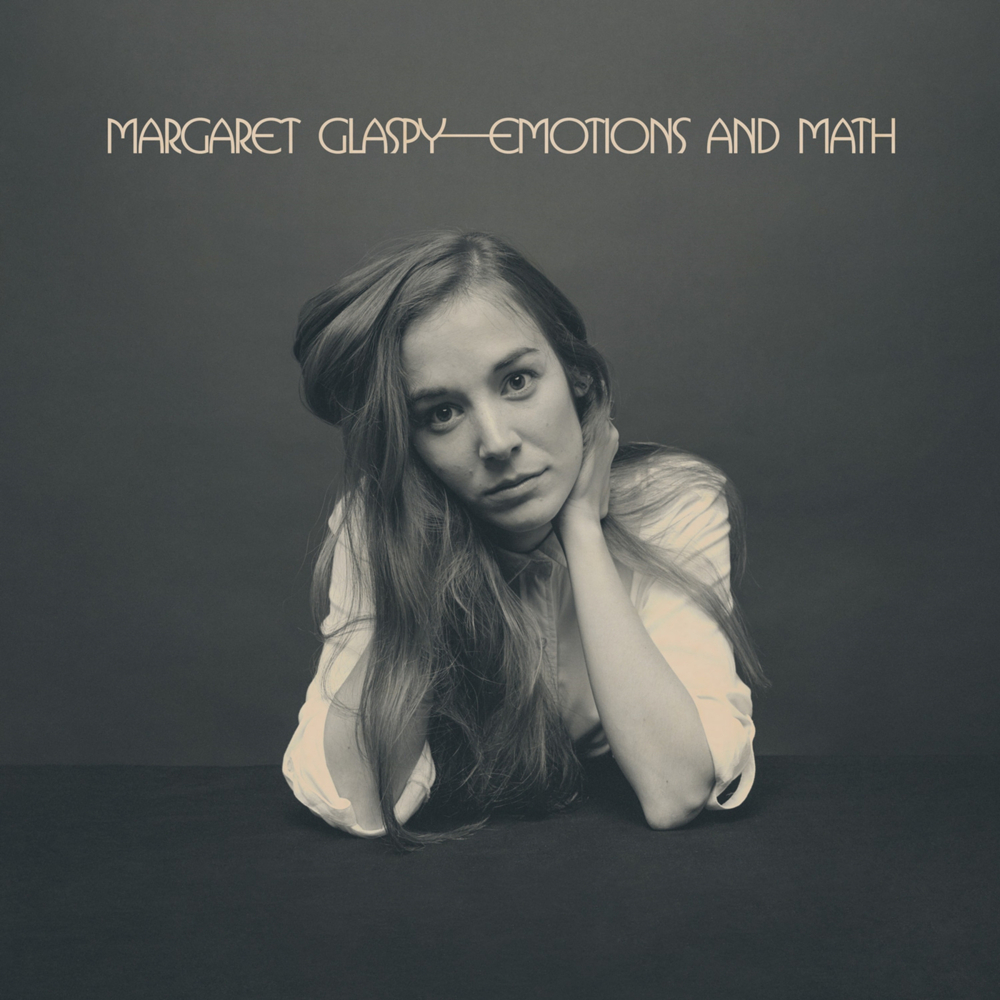
 View Artist