Song Meaning
Margaret Glaspy's "Best Behavior" isn't a celebration of restraint, but a tightly wound study of longing and the quiet rebellion simmering beneath a veneer of composure. The opening lines paint a picture of self-imposed exile at a party – a tableau of white linen and forced piety while everyone else "got drunk and jumped in." This isn't virtue; it's a carefully constructed defense mechanism. The "rock and savior" isn't a spiritual guide, but a prop, something to cling to as the chaos swirls around her. The lyrics suggest a fear of losing control, a terror of succumbing to the same uninhibited joy as the rest of the crowd. It speaks to the isolating experience of feeling like an outsider even when surrounded by others. The song meaning hinges on this central tension: the push and pull between the desire for connection and the fear of vulnerability.
The song pivots when "eyes" are caught across the room. This isn't just attraction; it's a disruption of the protagonist's carefully maintained order. The "riot" fades, the world quiets – a classic trope, but Glaspy imbues it with a palpable sense of anxiety. The physical descriptions become almost claustrophobic: ears pulled, skin pinched, breath on the neck. These aren't romantic gestures at first. They are sensory overload, a challenge to her carefully constructed boundaries. The act of letting her hair down, "pin by pin," symbolizes a gradual surrender, a dismantling of the walls she's built around herself. It's a potent image of vulnerability, a step away from the rigid "best behavior" she's been clinging to.
The repetition of the opening verse at the end underscores the cyclical nature of this internal conflict. The moment of connection, however intense, doesn't erase the underlying fear. The "best behavior" remains a default setting, a comfortable cage. Ultimately, "Best Behavior" is a nuanced exploration of the internal battles we wage between our desires and our anxieties. It's a song about the courage it takes to shed our protective layers and the simultaneous fear of what might happen if we do.
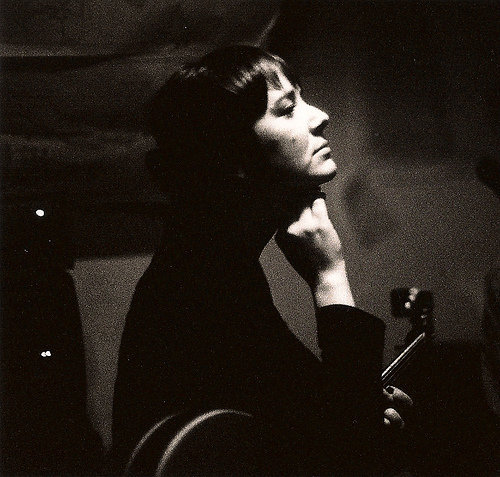
 View Artist