Song Meaning
Margaret Glaspy's "Us Not Them" dives headfirst into the intoxicating, if unconventional, dynamics of a relationship built on a foundation of secrecy and shared understanding. It's a portrait of intimacy defined not by outward displays of affection, but by a fiercely protected inner world. The opening lines immediately establish a clandestine affair, "kissin' undercover," a relationship operating outside the bounds of societal expectations. This isn't a tale of infidelity necessarily, but rather a conscious choice to prioritize the unique connection between two people over the opinions and judgments of the outside world. The lyrics hint at a complex arrangement, "he's mine in the morning, yours in the afternoon," suggesting a fluidity and freedom rarely explored in mainstream love songs.
The heart of the song meaning lies in the chorus: "Makin' memories just for us not them." This is the core thesis – the deliberate creation of a shared history, a private universe inaccessible and incomprehensible to anyone else. It speaks to a deep-seated need for validation and belonging found solely within the confines of the relationship itself. The repeated line, "While he's my guard, I know I'm his only hope," carries a heavy weight of mutual dependence. It's not just about romantic love; it suggests a burden of responsibility, a shared vulnerability that binds them together. This isn't a casual fling; it's a partnership forged in the shadows, each relying on the other for strength and solace.
Ultimately, "Us Not Them" explores the paradoxical nature of intimacy. Glaspy acknowledges the unconventionality of the relationship, admitting "the girls say it's absurd," yet she revels in its unique dynamic. The line "It's not you, it's me" isn't a dismissal of blame, but rather an assertion of personal boundaries and a rejection of societal norms. The song celebrates the power of shared secrets, the intoxicating allure of a bond that defies definition. It's a bold statement about the right to define love on one's own terms, regardless of external pressures or expectations. Glaspy seems to suggest that true connection lies not in the performance of love, but in the quiet, unspoken understanding between two souls navigating a world that often fails to comprehend their unique brand of intimacy.
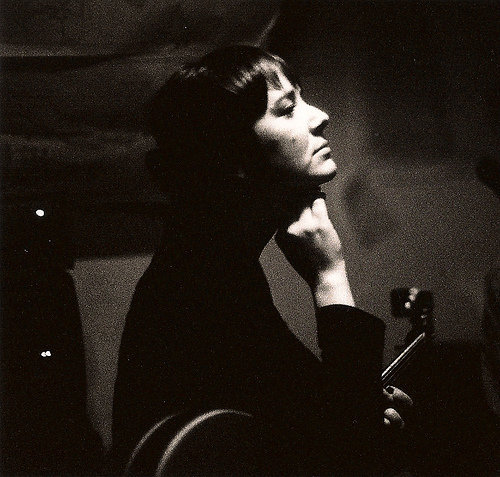
 View Artist