Song Meaning
The lyrics paint a nocturnal scene, a blend of natural and urban imagery, where a sense of unease is met with reassurance. The opening lines establish a mysterious atmosphere: "Wśród drzew schylonych o północy" (Among trees bent at midnight) and "Wśród jasnych widuch złego mroku" (Among bright visions of evil darkness). There's a feeling of something shifting, "Coś się przemienia w naszej mocy" (Something is transforming in our power), and a sense of shared movement, "Ktoś się porusza z naszym krokiem" (Someone moves with our step). This initial ambiguity suggests a moment of vulnerability or change, amplified by the wind tugging at "szumnej szacie" (a rustling robe).
The core tension arises from fear contrasted with comfort. The narrator reassures a "Miła moja" (My dear) who is afraid, "Nie bój się , ty nie idziesz sama" (Don't be afraid, you are not alone). This fear seems tied to the encroaching night and the shadows, "W doliny napływa gór cień" (The mountain's shadow flows into the valleys). The repeated phrase "Chłodniej , chłodniej , boisz się" (Colder, colder, you are afraid) directly voices this anxiety, but it's immediately countered by the calming refrain, "Nie ma się czego bać" (There is nothing to fear).
The lyrics masterfully weave together disparate images to create this emotional landscape. The natural world, with "wszystkie drzewa" (all the trees) walking alongside, and the "żółte mlecze" (yellow dandelions) bending, is juxtaposed with urban elements like "wieżyce miast" (city spires), "Błękitne szerokie okna" (Blue wide windows), and "jasne smugi od lamp" (bright streaks from lamps). This blend suggests that the comfort offered is not an escape from reality, but an integration of it, finding peace even within the modern, perhaps overwhelming, world. The recurring image of "twoja postać , jasna postać" (your figure, bright figure) acts as a grounding anchor, a familiar light in the shifting darkness.
What makes these lyrics resonate is their ability to articulate a shared human experience of fear in the face of the unknown or the overwhelming, and the profound relief found in a steadfast, reassuring presence. The narrator's repeated assurances, "Nie ma się czego bać," coupled with the comforting vision of the "jasna postać," create a powerful sense of solace. The lyrics suggest that even when confronted with "złych nowin" (bad news) or the feeling of being watched "ciemnym" (darkly), the presence of a loved one, a "bright figure," makes the world less frightening, transforming the "evil darkness" into something manageable.
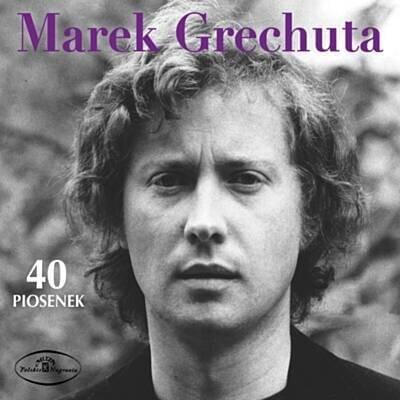
 View Artist