Song Meaning
Marco Antonio Solís's "Lepsze Dni" (Better Days) isn't a song of hopeful anticipation; it's a poignant, almost masochistic, farewell steeped in the agony of inescapable love. The lyrics, sung in Spanish, paint a portrait of a man paralyzed by his feelings, incapable of uttering the word 'goodbye' to someone he deeply loves. He acknowledges the paradoxical nature of his predicament: knowing the relationship must end, yet being utterly unable to detach himself emotionally. This isn't about 'better days' to come, but rather the acknowledgment that those days are gone, and the present is a torturous limbo. The title is misleading; Solís sings in Spanish. Perhaps the title refers to the future of someone who has left him, not himself.
The core of the song meaning revolves around the narrator's self-awareness. He questions how others can so easily sever ties after having shared everything. He admits his 'error' in clinging to something beautiful, knowing it's futile. This isn't blind devotion; it's a conscious choice to embrace the pain rather than face the emptiness of separation. There's a subtle power dynamic at play here, too. By placing his destiny in the hands of his lover ('en tu conciencia pongo tu destino'), he relinquishes control, almost daring her to inflict the final blow.
Ultimately, "Lepsze Dni" is about the enduring power of love, even in its death throes. The narrator recognizes that whether he receives love or scorn, it will be the defining characteristic of his experience. This acceptance of vulnerability, the willingness to be completely consumed by love's potential for both joy and devastation, is what makes the song so emotionally resonant. It is a surrender, not to despair, but to the overwhelming force of human connection, even as it fades away. The lyrics analysis reveals a man grappling with the eternal question: is it better to have loved and lost, than never to have loved at all?
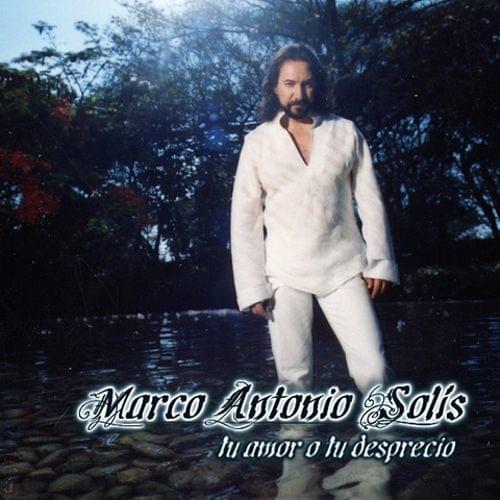
 View Artist