Song Meaning
Marco Antonio Solís's "Que Te Quieran Más Que Yo" isn't just a breakup song; it’s a masterclass in emotional self-preservation. The opening lines establish a tone of resolute finality. Solís isn't wallowing; he's actively severing ties with a past relationship, declaring he's 'completely convinced' that dwelling on the lost love is 'tiempo perdido' – wasted time. It's a powerful statement of self-awareness, recognizing the futility of clinging to something that no longer serves him. The lyrics portray a man taking deliberate steps to reclaim his emotional autonomy. The repetition of 'Ya no quiero más' and 'Ya no quiero verte más' emphasizes the decisiveness of his actions. He's not begging for reconciliation, nor is he consumed by bitterness. Instead, there's a quiet strength in his resolve to move on, even if it means 'confounding himself among the people' to escape the lingering memories.
The core of the song's meaning lies in its complex interplay of love, pride, and the painful necessity of letting go. Solís acknowledges the sting of past 'desprecios' (disdain), yet he transforms that pain into a catalyst for change, suggesting these rejections have paradoxically freed him from shame. He's actively purging the relationship from his life, scattering memories 'por las calles,' battling against his own history. This imagery illustrates the internal struggle involved in overcoming a deeply ingrained emotional connection, hinting at the difficulty of erasing a love that once defined him.
Ultimately, "Que Te Quieran Más Que Yo" transcends simple heartbreak. The closing lines, 'Te quise como nadie te ha querido / Y hoy quiero que te quieran más que yo,' deliver a final, poignant twist. It's not a curse, but a bittersweet benediction. Solís acknowledges the depth of his past love, but simultaneously expresses a desire for his former partner to find an even greater happiness elsewhere. This sentiment reveals a profound level of emotional maturity – a willingness to prioritize the well-being of the other person, even after experiencing personal pain. The song becomes a testament to the enduring power of love, even in its absence, and the possibility of finding peace in letting go. It's about hoping for the best for someone, even if that best is no longer with you.
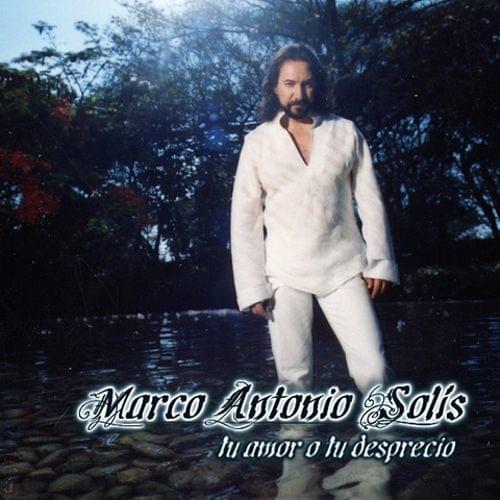
 View Artist