Song Meaning
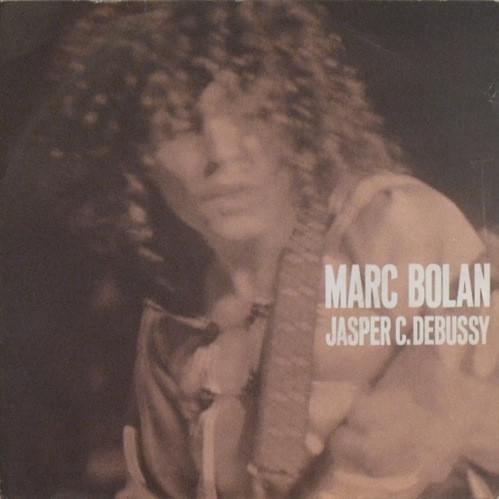
Marc Bolan's "Jasper C. Debussy" isn't a character study so much as a flamboyant nightmare given musical form. The song meaning coils around a figure of pure, unadulterated malice, a creation seemingly ripped from a fever dream. Jasper, with his glass eyes and "mall-dressed mind," embodies chaos and cruelty, a warped dandy whose actions defy logic and embrace the grotesque. The Marquis de Sade reference is a flashing neon sign pointing to the heart of Jasper's character: a fascination with transgression and the infliction of pain, all delivered with a theatrical flair. He's not just evil; he's performatively evil. Bolan paints a vivid picture of Jasper's depravity, from tying Andy to the railroad tracks to the disturbing image of wearing someone's eyes as pearls. These aren't the actions of a troubled soul seeking redemption; they are the deliberate choices of a monster reveling in his own darkness.
The song plays with the listener's expectations of narrative. There's no attempt to explain Jasper's motivations or provide a backstory that might soften his image. Instead, Bolan throws us directly into the whirlwind of his destructive energy. The lyrics are a series of unsettling snapshots, each more disturbing than the last. The contrast between the almost cartoonish description of Jasper's appearance—scarlet pantaloons and "five foot one inch hose"—and the horrifying nature of his actions creates a jarring effect, amplifying the sense of unease. He's a boogeyman dressed in the garb of a glam rock star, a predator lurking beneath a veneer of theatrical absurdity.
Ultimately, "Jasper C. Debussy" is a descent into the darkest corners of the human psyche, a celebration of the macabre that is both thrilling and deeply unsettling. The repeated refrain, "Jasper C. Debussy, that's his kind of fun," serves as a chilling reminder that some individuals find pleasure in causing pain and disruption. The song's power lies in its refusal to offer any easy answers or moral judgments. It simply presents us with a portrait of pure evil and leaves us to grapple with the implications. Bolan doesn't invite us to understand Jasper; he challenges us to confront the darkness that exists, however buried, within ourselves.
 View Artist