Song Meaning
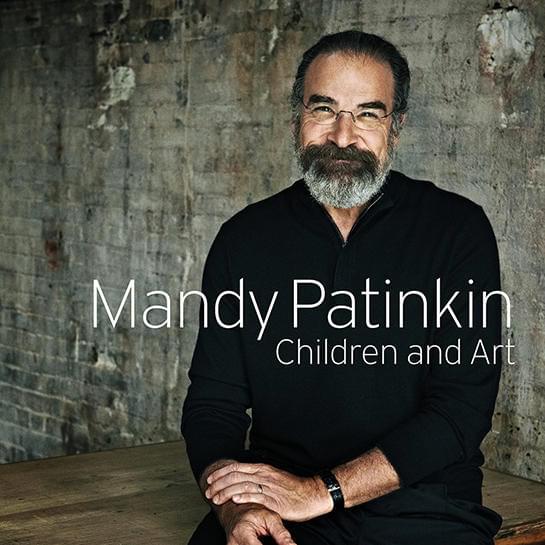
Mandy Patinkin's haunting rendition of "Fear Itself" cuts straight to the bone of modern anxiety. Stripped bare, the lyrics offer no narrative, no character, only a raw, almost childlike articulation of dread. The genius lies not in complexity, but in the brutal honesty of its simplicity. Patinkin doesn't just sing about fear; he embodies it, his voice trembling on the precipice of panic. The repetition of "I'm afraid" becomes a mantra, a desperate attempt to name and thus control the unnamable. This isn't some abstract philosophical treatise; it's a primal scream echoing the collective unease of our time. The song meaning resonates because it reflects a reality many are hesitant to voice.
The litany of fears—"fearful people," "politicians," "ammunition," "all religion," "nationalism, patriotism, jingoism"—reads like a checklist of contemporary anxieties. It's a potent cocktail of social, political, and existential dread. The song deftly avoids taking overtly partisan stances, instead focusing on the underlying emotional drivers of conflict. It's not the policies themselves that are frightening, but the fear that fuels them. This is where the brilliance of invoking FDR's famous line, "You have nothing to fear but fear itself," truly shines. Patinkin isn't offering platitudes; he's pointing to the self-perpetuating cycle of fear that grips society.
The final lines, "I'm afraid of all alone, all alone, all alone," bring the song's focus inward. The fear of isolation, of being utterly alone in the face of these overwhelming forces, is perhaps the most profound and universal of all. This vulnerability, laid bare without any attempt at resolution or comfort, is what makes "Fear Itself" such a powerful and unsettling listening experience. The instrumental outro only amplifies the disquiet, leaving the listener suspended in a state of unresolved tension, forced to confront their own anxieties long after the music fades. The song's power stems from its refusal to offer easy answers, instead choosing to sit in the discomfort of our shared human condition.
 View Artist