Song Meaning
Mandy Patinkin, an artist often associated with intense theatricality, delivers a surprisingly understated emotional core in "So Long Dad." The song isn't a grand declaration, but a series of quiet observations and gentle offerings, revealing a complex father-son dynamic. The opening paints a picture of returning home, not to a nostalgic haven, but a place subtly worn by time. "The streets are not much cleaner...quaint no more, just older than before" – this isn't a triumphant return, but a grounded, realistic homecoming. The narrator's excitement about introducing his 'greatest girl' is tempered by a poignant vulnerability, acknowledging the father's potential disapproval with a resigned "if you don't that's alright, too." This hints at a relationship where acceptance wasn't always freely given, yet love persists nonetheless.
The bridge offers glimpses into the father's life – the enduring job at the drugstore, the familiar routine of "polishing the same floor." These details, seemingly mundane, speak volumes about stability and perhaps a life lived without grand ambition. The narrator's expressed longing – "I miss my good old Dad" – isn't sentimental; it's a recognition of a consistent presence, a grounding force. The invitation for the father to visit is carefully worded: "when it's convenient to," "be sure and call before you do." These aren't casual invitations; they're structured, considerate, acknowledging the father's potential discomfort or reticence. It suggests a desire for connection, but also a respect for boundaries.
The repeated refrain of "So Long, Dad" at the song's close isn't a dismissive farewell. Instead, it carries the weight of unspoken emotions, the bittersweet recognition of separation and the quiet acceptance of lives diverging. The repetition itself mimics the cyclical nature of goodbyes, the constant ebb and flow of connection and distance that defines many familial relationships. In essence, "So Long Dad" is a masterclass in subtle storytelling, a poignant exploration of familial love, acceptance, and the quiet complexities of saying goodbye, not just for now, but perhaps for good.
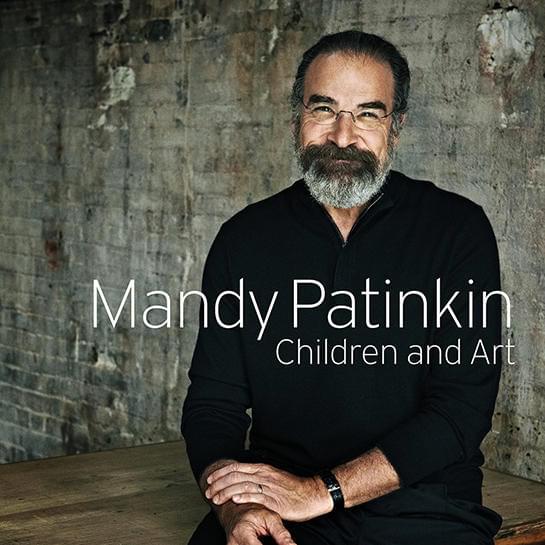
 View Artist