Song Meaning
The lyrics paint a vivid picture of a lost maiden's garland, a symbol of her innocence or betrothal, slipping away into the river. A green pike snatches it, initiating a quest for its return. The repeated imagery of the heavy oak boat sinking versus the light linden boat being blown away highlights the futility and contrasting difficulties of retrieving what was lost, suggesting that some things are either too burdensome to recover or too easily carried off by fate.
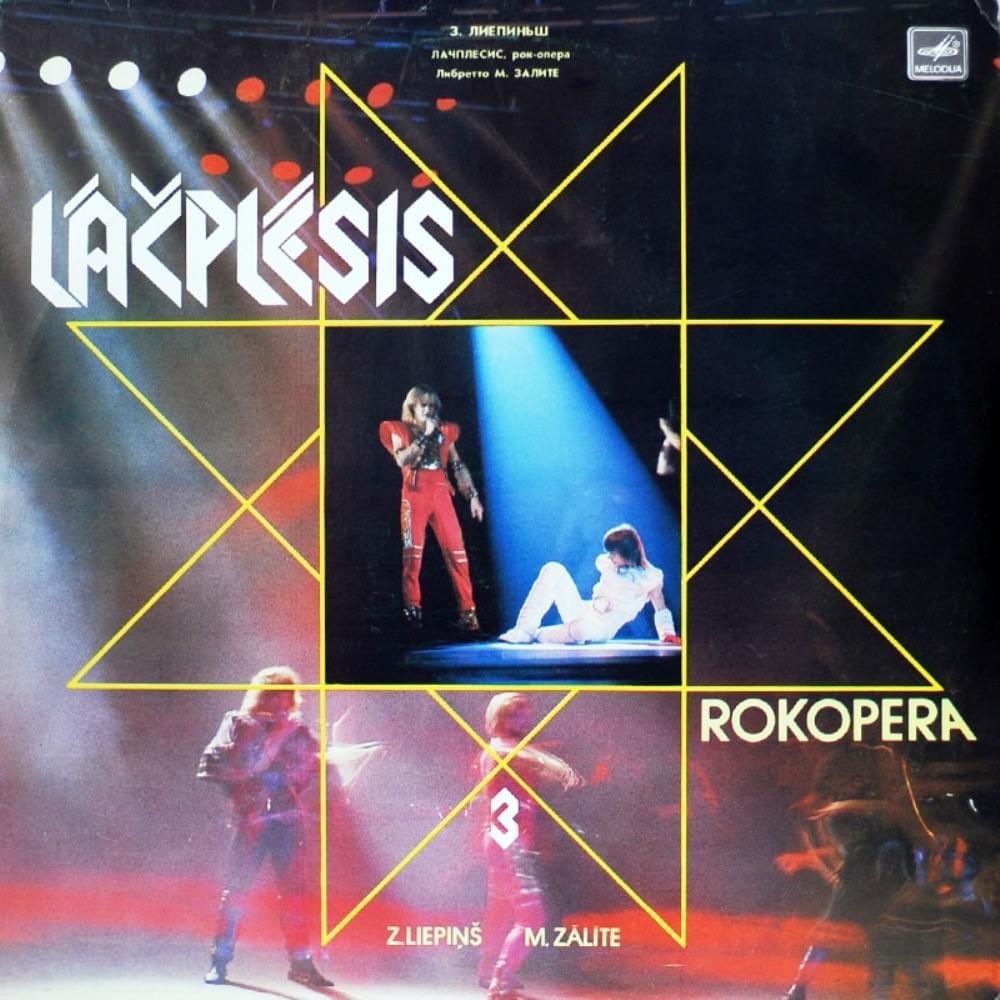
The narrative then shifts abruptly to a wedding celebration for Laimdota and Lāčplēsis, but this joy is cut short. The elder Lielvārds ends the festivities early, not out of custom, but because the men must prepare to defend their homeland. This juxtaposition of personal celebration with impending conflict creates a poignant tension, implying that individual happiness is fragile and often overshadowed by collective duty and external threats.
The craft here lies in the stark contrast between the folkloric, almost dreamlike opening and the abrupt, historically-tinged second half. The initial verses use natural imagery and a simple, repetitive structure to evoke a sense of timeless loss. The latter section, however, introduces a specific, albeit unnamed, historical context of defense, grounding the lyrical narrative in a more immediate, urgent reality. This shift underscores how personal moments of joy and loss can be abruptly interrupted by larger societal demands.
This lyrical structure effectively captures the feeling of life's unpredictable turns. The initial quest for a lost garland, seemingly a minor personal tragedy, is dwarfed by the call to arms that interrupts the wedding. The lyrics suggest that the pursuit of personal happiness, represented by the wedding, is always vulnerable to the demands of protecting one's land, making the fleeting nature of joy and the weight of responsibility the core emotional resonance.