Song Meaning
The lyrics present a powerful, almost elemental, concept of Time, personified and elevated beyond the mundane. The chorus relentlessly equates fundamental forces – water flowing in the Daugava, blood in veins, waves, and whirlpools – with 'Laiks' (Time). This repetition hammers home the idea that Time is not just a passive measurement but an active, pervasive entity, the very current of existence.
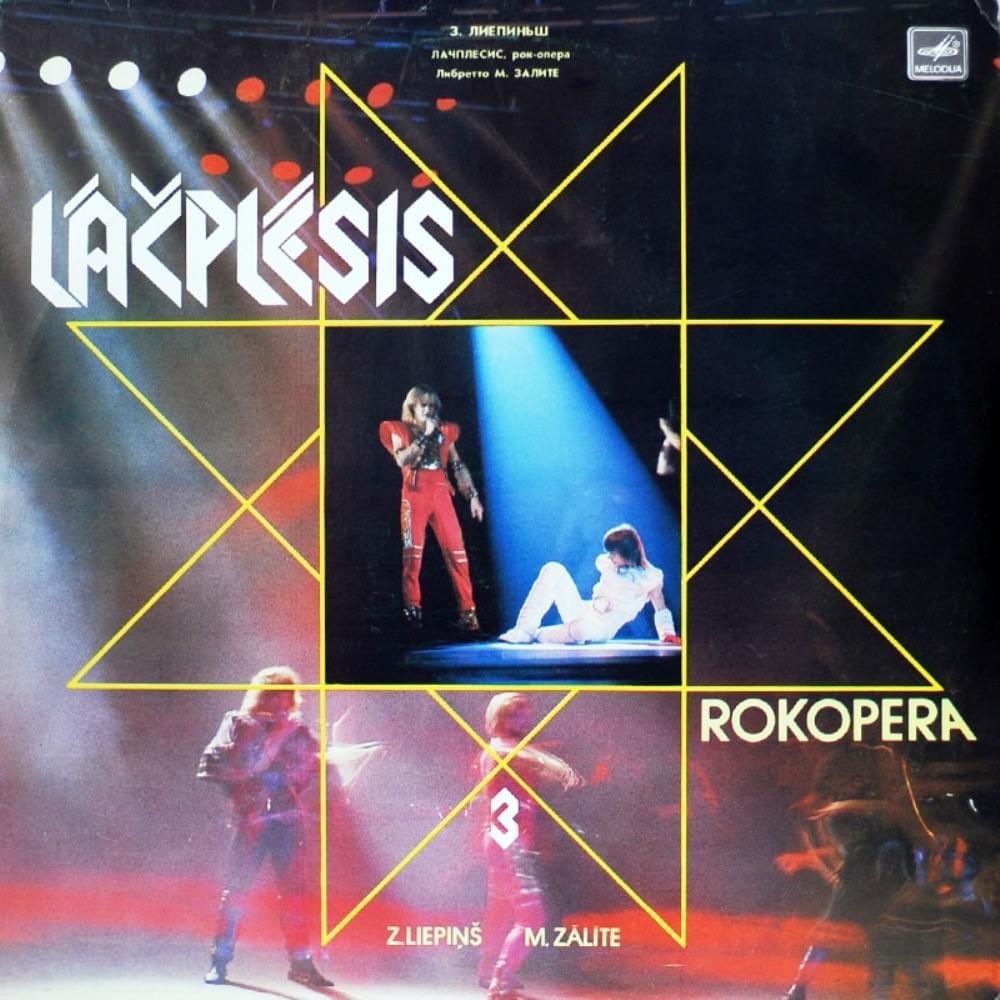
The narrative shifts with the introduction of the 'Teicējs' (Narrator), who grounds this abstract concept in a specific, mythic scene. The image of two men struggling on the bank at midnight, identified as Lāčplēsis fighting an 'enemy,' introduces a conflict. This struggle, set against the backdrop of the Daugava, suggests a timeless battle for freedom, with Time itself as the witness or perhaps even the force driving the conflict.
The most striking craft element is the direct equation of natural phenomena with Time, creating a sense of inescapable, monumental presence. The narrator's prophecy then imbues this abstract Time with historical and nationalistic weight. The lyrics suggest that the resolution of Lāčplēsis's struggle will usher in new times, a moment of liberation and national flourishing, directly linking personal and national destiny to the grand, flowing current of Time.
This lyrical construction is effective because it elevates a national myth into a cosmic struggle. By framing the fight for freedom as an eternal battle against an unseen enemy, witnessed by the relentless flow of Time, the lyrics create a profound sense of destiny and urgency. The promise of 'new times' and 'freedom' after the final victory makes the abstract concept of Time a tangible harbinger of hope and national rebirth.