Song Meaning
The lyrics paint a somber scene of mourning and prayer for a departed leader, Géza. The repeated "Kyrie eleison" (Lord, have mercy) acts as a liturgical refrain, grounding the piece in a spiritual context of supplication. This establishes an immediate tone of solemnity and communal grief, emphasizing the weight of loss.
The central tension lies between the acknowledgment of human mortality – "Porból s hamuból vétettünk s azzá leszünk" (From dust and ashes we were made, and to dust we shall return) – and the plea for divine mercy and eternal peace for the deceased. The narrator, Asztrik, guides the lament, articulating the community's shared sorrow and hope for spiritual salvation.
The most striking element is the direct invocation of God's grace, "Bűnnek bilincséből jó Uram feloldozád" (From the chains of sin, good Lord, You have released him). This suggests a theological framework where the departed's soul is being judged and, hopefully, absolved. The wish for "Fényeskedjék lelkének örök világosság" (May eternal light shine upon his soul) offers a hopeful, albeit conditional, resolution.
This piece resonates through its stark depiction of mortality juxtaposed with fervent prayer. The simple, powerful repetition of the Kyrie, coupled with the direct address to the divine, creates an atmosphere of raw, communal faith in the face of death. It’s a profound expression of a shared need for mercy and the hope for eternal rest.
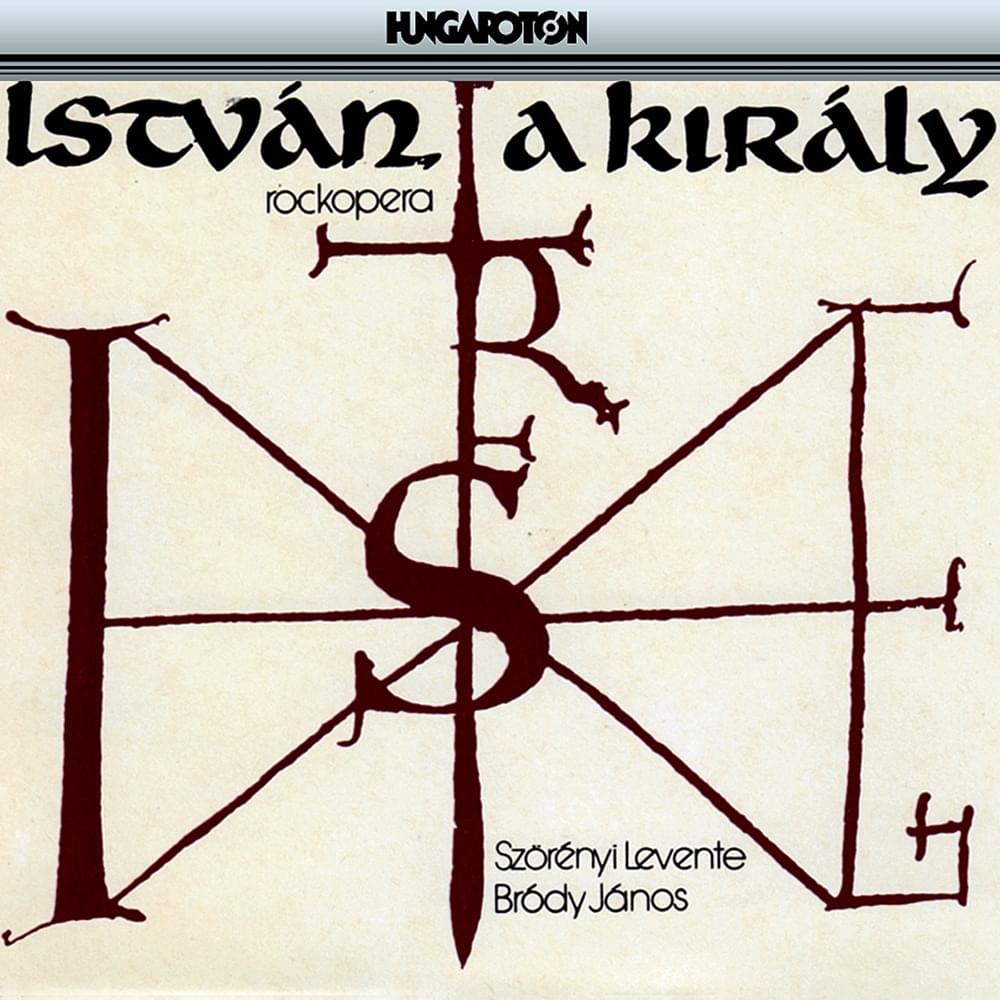
 View Artist