Song Meaning
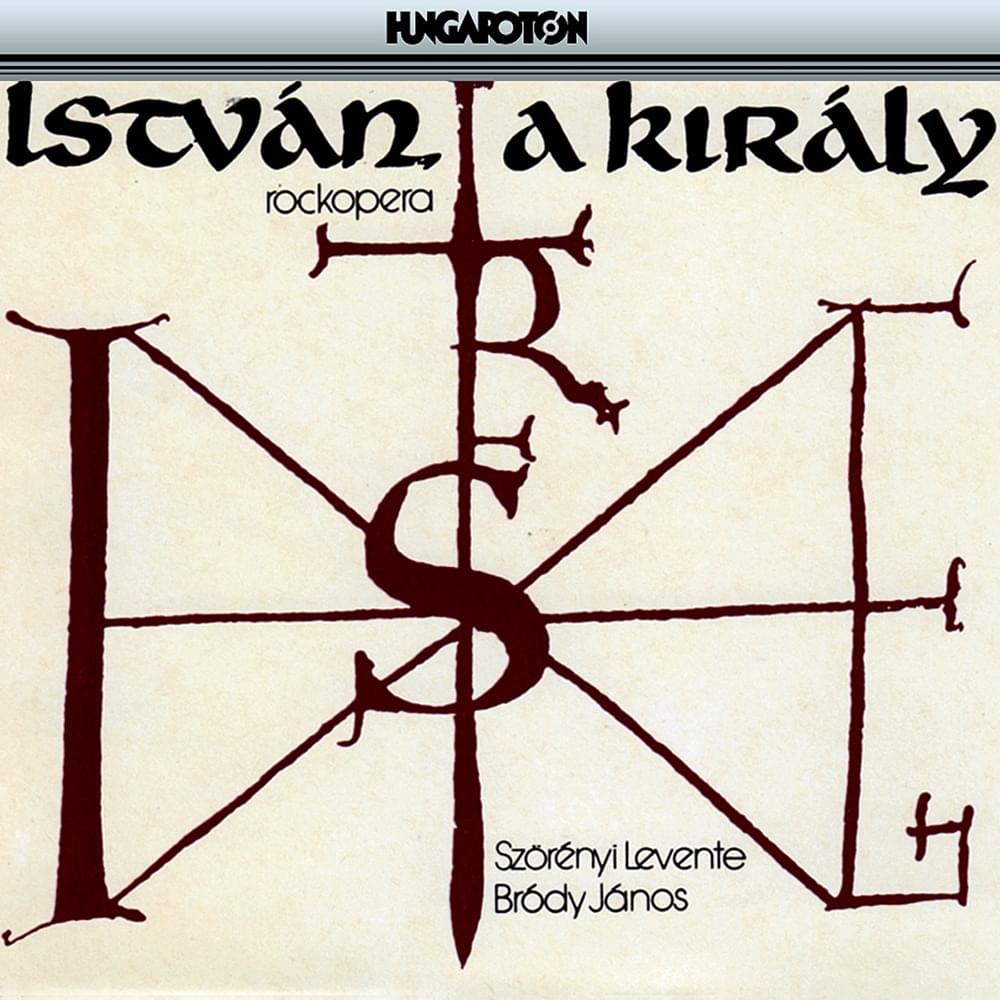
The lyrics paint a picture of a pivotal moment, where a leader, István, claims his divine right to rule. He acknowledges his kingship as God's will, stating, "Király vagyok, Uram, a Te akaratodból." This immediately establishes a tone of solemn, divinely sanctioned authority. István's core desire is clear: to forge a nation for his people, emphasizing a dual reliance on divine guidance and his own agency: "Veled Uram, de Nélküled." This sets up a tension between faith and action.
The crowd's response is one of fervent adoration and relief, proclaiming, "Felkelt a napunk, István a mi urunk." This imagery of a rising sun signifies a new dawn, a period of hope and prosperity brought by István's reign. Their gratitude is palpable, expressed through "Árad a kegyelem fénye ránk" and "Hálás a szívünk, zengjen az örömünk." The collective voice elevates István from mere ruler to a figure of salvation for "Szép Magyarország édes hazánk."
The most striking aspect is the interplay between István's humble yet determined declaration and the ecstatic, almost worshipful, acclamation from the masses. István grounds his power in God's will but asserts his personal commitment to his people's future. The crowd, in turn, sees him as the embodiment of divine favor and national destiny. This dynamic highlights the foundational myth-making of a new kingdom, where leadership, faith, and popular will converge into a powerful, unifying narrative.
 View Artist