Song Meaning
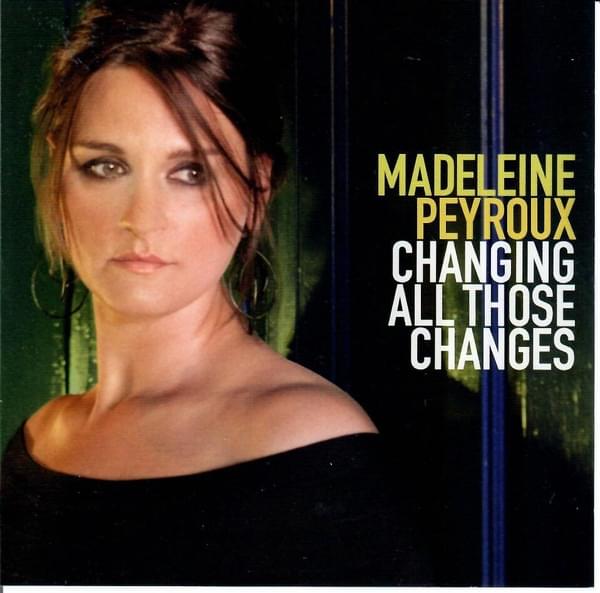
{"song_id": 11901011, "meaning": "Madeleine Peyroux's \"Changing All Those Changes\" isn't just a song; it's a psychological study in regret, wrapped in the smoky elegance of her signature jazz-infused style. The track excavates the messy aftermath of impulsive decisions, revealing the core human tendency to rewrite our narratives when confronted with the stark reality of loss. The song's core meaning resides in the futile attempt to undo the past, a universal experience amplified by the rawness of heartbreak. The narrator's initial act of leaving, fueled by perceived infidelity, is revealed as a misjudgment, a hasty escape now viewed through the lens of absence. The repeated line, \"I made those changes when I thought you were untrue,\" acts as both justification and indictment, highlighting the fragile basis upon which life-altering choices are often made.
The brilliance of \"Changing All Those Changes\" lies in its stark simplicity. There are no elaborate metaphors or veiled symbolism; the song's power comes from its direct, almost conversational tone. The lyrics analysis exposes a vulnerable protagonist grappling with the irreversible consequences of her actions. The line, \"I didn't stop to think, bo, I just left without a care,\" is a brutal admission of thoughtlessness, a stark contrast to the present state of remorse. It speaks to the common human flaw of acting on emotion without considering the long-term ramifications, a trait often dissected in psychological literature surrounding impulsivity and regret. The phrase \"changing all those changes\" is a clever paradox, underscoring the impossibility of truly reversing the past, of un-ringing the bell.
Ultimately, the song's impact resides in its relatability. Who among us hasn't made a rash decision, only to later realize the error of our ways? \"Changing All Those Changes\" isn't just a lament; it's a cautionary tale about the importance of reflection, communication, and the potential for irreversible damage caused by unchecked emotions. Peyroux doesn't offer easy answers or saccharine resolutions. Instead, she presents a portrait of raw vulnerability, a testament to the enduring power of regret and the human struggle to reconcile with the choices we've made."}
 View Artist