Song Meaning
Madeleine Peyroux's rendition of "Born to Lose" isn't just a lament; it's an exploration of the self-fulfilling prophecy of despair. The song's narrative voice isn't simply unlucky; it's *convinced* of its inherent unworthiness. The repeated phrase "Born to lose" acts as both a confession and a justification, a fatalistic acceptance that colors every relationship and experience. It's the lens through which the narrator views the world, ensuring that even potential happiness is ultimately tainted by the expectation of failure. This isn't just about romantic loss; it's about a deeper, more pervasive sense of inadequacy. The simplicity of the lyrics belies the psychological complexity at play. The narrator isn't fighting against misfortune; they are passively surrendering to it, finding a strange comfort in the predictability of disappointment.
The lyrical repetition, particularly the recurring line "Born to lose and now I'm losing you", underscores the cyclical nature of this self-destructive belief system. Each verse reinforces the idea that loss is not an isolated incident but an intrinsic part of the narrator's identity. The line "Every dream has only brought me pain" highlights how hope itself becomes a source of suffering, further solidifying the belief that happiness is unattainable. The starkness of "All I see is only loneliness" paints a portrait of emotional isolation, not just from others, but from any sense of self-worth. The song examines the way our perceptions can shape our reality.
Ultimately, "Born to Lose", as interpreted by Peyroux, becomes a study in the power of negative self-perception. It's a haunting reminder of how deeply ingrained beliefs can dictate our experiences, turning potential joys into inevitable sorrows. The song's simplicity is deceptive; beneath the surface lies a complex exploration of fatalism, self-sabotage, and the insidious nature of despair. The true tragedy isn't necessarily the loss itself, but the predetermination to fail, the quiet acceptance of a life lived under the shadow of a self-imposed curse.
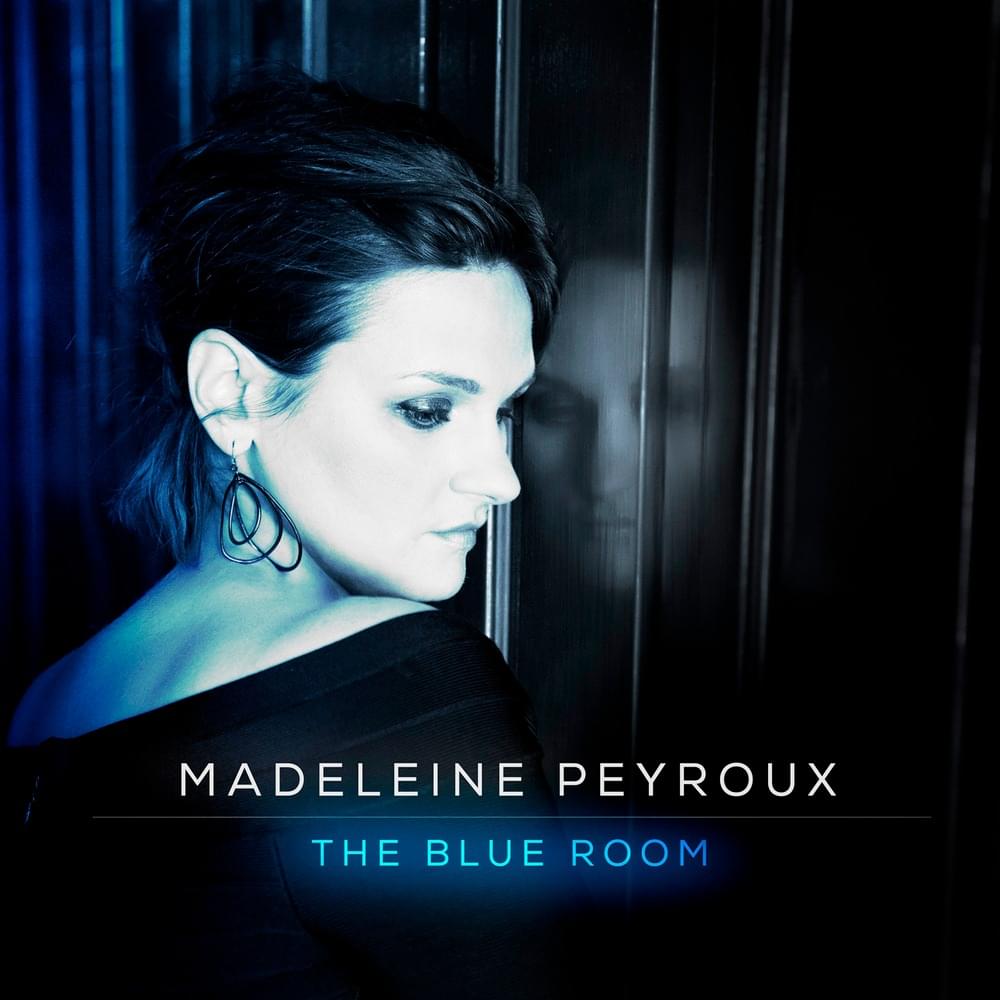
 View Artist