Song Meaning
The lyrics paint a vivid picture of daily life in a parched, rural landscape. A "curandeiro" is invoked to heal the "hungry longings" of the land itself. As the sun sets, giving way to night, the scene shifts to the enduring routines and quiet struggles of its people. It's a snapshot of resilience framed by natural cycles.
A profound tension emerges between the harsh realities of survival and the persistent spirit of the community. We see the "fatigue of a donkey" alongside an old man "wrinkled by time," illustrating lives marked by relentless labor. Yet, amidst this struggle, there's a quiet dignity, even a triumph, as a "madman overcomes prejudice" with an innocence that feels almost sacred. This juxtaposition highlights the deep-seated challenges and the enduring human spirit.
The narrator's self-identification as a "veio d'água do rio Pajeú" is a powerful, central metaphor. This isn't just a person observing; it's someone who is the lifeblood, the memory, and the enduring source of this land. This image grounds the entire narrative, suggesting that the narrator is intrinsically connected to the region's history, its struggles, and its spiritual wellspring, much like the river itself sustains life in a dry land. The shift from objective observation to this deeply personal declaration is striking.
These lyrics resonate by immersing the listener in a specific, lived experience, making the abstract concept of "home" tangible. The raw, unvarnished details—from the mention of sewage water to the chirps of morning birds—create a sense of authenticity. The final scene, where the narrator falls silent at the church door to hear a pifeiro pleading for deliverance from pestilence, powerfully connects personal observation to collective faith and a timeless plea for protection, making the regional specific universal in its emotional impact.
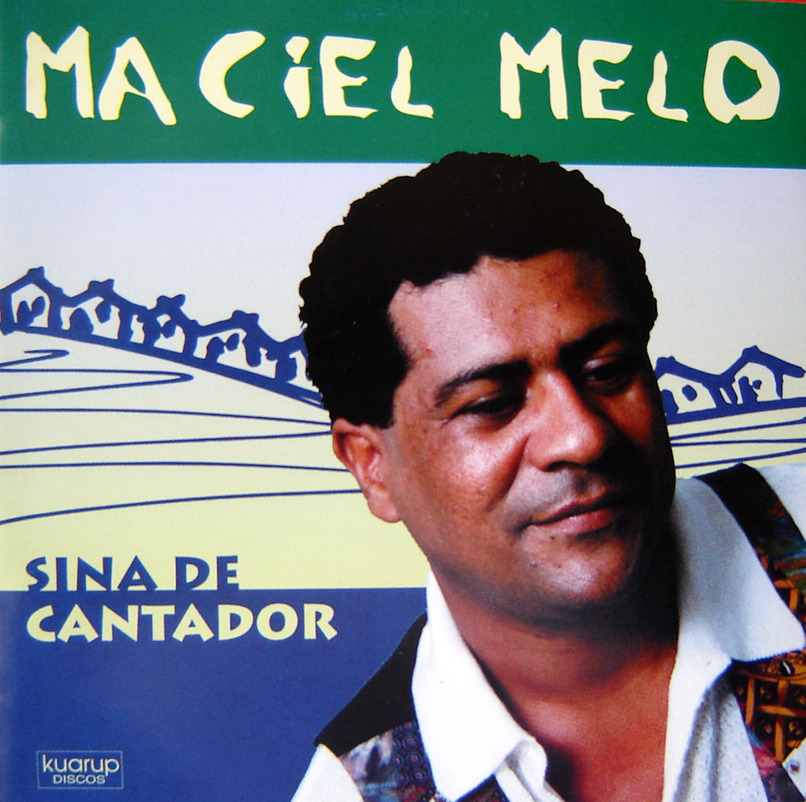
 View Artist