Song Meaning
The lyrics immediately plunge into a deep sense of loss and yearning for a woman named Maria. The narrator is consumed by a visceral, gnawing sadness, feeling as though love itself has vanished. This isn't just sorrow; it's an active, internal suffering.
The central emotional conflict stems from this profound absence, where the narrator explicitly states, "Nunca mais eu vi o amor." They are desperate for Maria's return, pleading with her to simply "Bote o rosto na janela." This longing is so intense that the narrator personifies love as an entity that "Bateu a porta / Deu adeus e foi embora," leaving them to be "devora" by loneliness.
The most striking craft element arrives in the final verses, where the narrator extends a uniquely tender and playful invitation. They imagine Maria accepting a dance, loosening her braid, and then, with a touch of romantic vulnerability, suggest, "Se tropeçar no compasso / Caia por cima de mim." This line transforms a potential misstep into an intimate opportunity for closeness, immediately followed by the reassurance, "Que eu te abraço, eu te seguro."
These lyrics are effective because they blend raw emotional pain with a romanticized, almost fantastical plea for reconnection. The specific, nostalgic details, like remembering the "cor / Do vestido dela" or imagining a smile "Cheirando a ruge e carmim," ground the narrator's grand emotional despair in tangible memories. This combination makes the yearning feel both deeply personal and universally resonant, offering a unique vision of comfort in vulnerability.
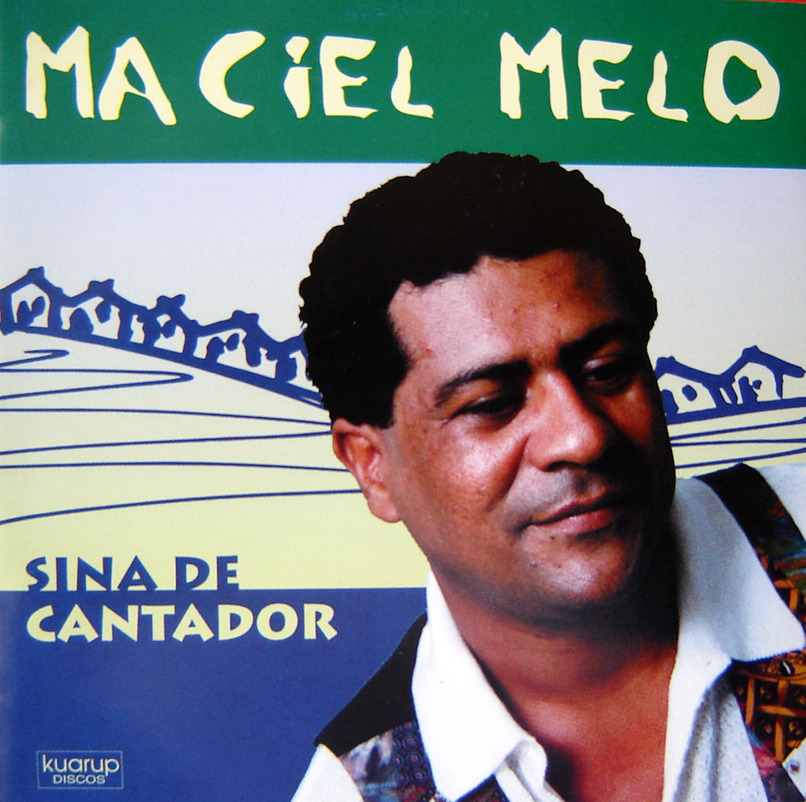
 View Artist