Song Meaning
The lyrics paint a picture of winter's quiet descent, where snow blankets the city and muffles its colors. The narrator reflects on past actions, admitting to a lack of purpose with a self-deprecating "猛省" (intense self-reflection). This sets a tone of introspection, questioning where to direct their feelings, asking "どうだいメレンゲ" (How about it, meringue?), a curious, almost childlike inquiry amidst the melancholic landscape.
The central tension arises from a yearning to reconnect with a past self, one capable of soaring. The narrator laments having put away the "翼" (wings) that once allowed them to fly through a "白い空" (white sky), questioning why. This isn't about literal flight, but a metaphor for a lost sense of freedom or self-acceptance, a desire to "また僕を好きになりたい" (want to like myself again) through means other than drastic change like reincarnation.
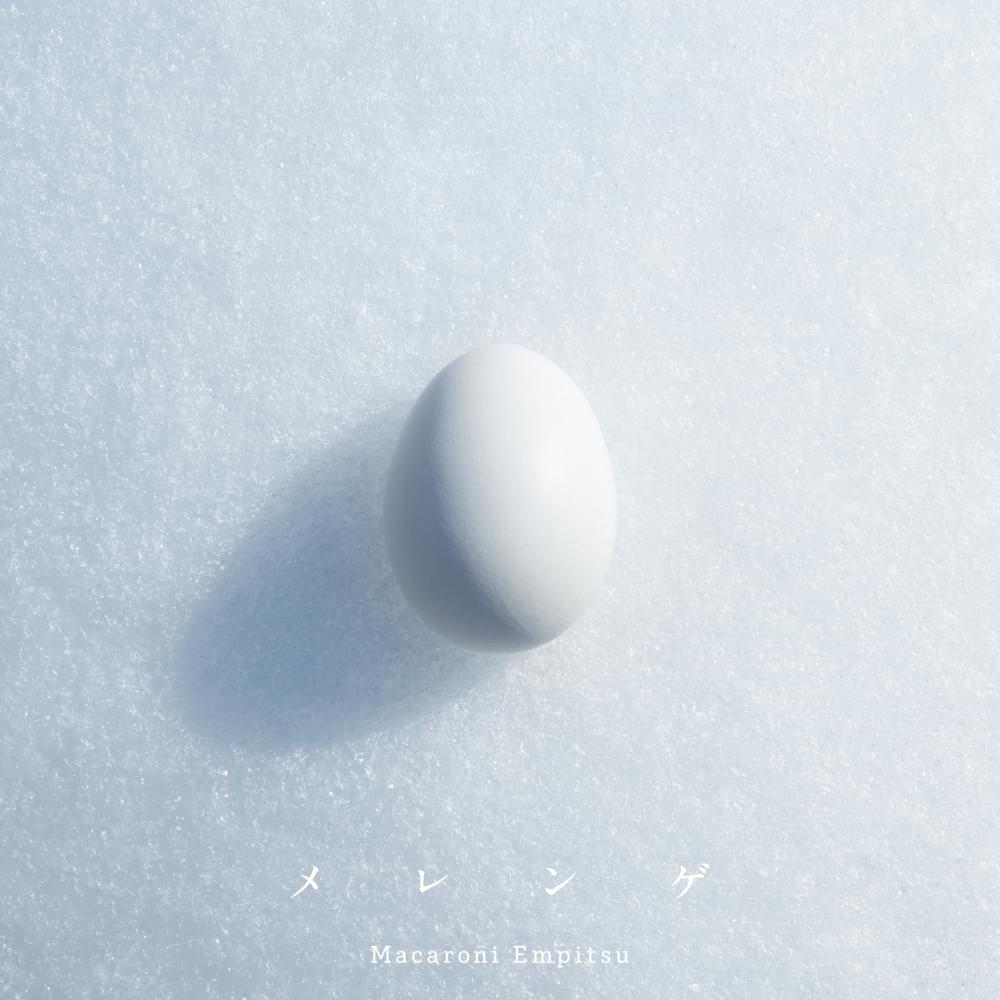
The craft of the lyrics shines in its use of contrasting imagery and poignant questions. The narrator contrasts the ease with which strangers offer help against the selective hearing of those they know, highlighting a feeling of isolation and self-criticism: "知らない他人に手を貸してもらえたのに / 知ってる人間にしか耳を貸さない" (Even though strangers lent a hand / I only listen to people I know). The recurring image of snow and the ephemeral nature of meringue ("積もらないうちに溶けたメレンゲの冬の唄" - a winter song of meringue that melted before it could pile up) effectively capture the fleeting nature of happiness and the difficulty of holding onto positive feelings.
Ultimately, these lyrics resonate because they articulate a relatable struggle with self-worth and the passage of time. The narrator grapples with regret and a desire for redemption, not through grand gestures, but through a quiet, internal shift. The imagery of winter and melting meringue serves as a powerful, if bittersweet, reminder that some moments, like the desire to love oneself again, are fragile and require conscious effort to preserve before they disappear.
 View Artist