Song Meaning
This song grapples with the internal struggle of self-acceptance and the courage to live authentically. The narrator questions whether they can still believe in loving themselves, acknowledging a shift where their true feelings have become veiled as weakness. The core tension lies in the desire to be seen and understood, juxtaposed with the fear of not being enough. It's a raw exploration of vulnerability and the arduous path toward self-worth.
The lyrics suggest a profound internal conflict, where the act of not running away has paradoxically become a measure of strength. The narrator seeks their true self, not just confidence, and acknowledges the existence of forgotten things and unspoken words. This internal search is framed by a plea to be watched, not for a performance, but for the very way they choose to live. The repeated question, "なあ、まだ信じてもいいか?" (Can I still believe it?), underscores a persistent doubt that colors the entire narrative.
A striking aspect of the craft is the imagery of embers and burning. The line "くすぶるのは、ちゃんと燃えたからだ" (It smolders because it burned properly) reframes lingering feelings not as failure, but as evidence of past passion. Later, this evolves to "くすぶるのだ、燃えカスになるまで" (Let it smolder, until it becomes ashes), suggesting a commitment to burning out completely. This cyclical imagery of burning and smoldering speaks to the process of living intensely, even when the fire dies down, and finding beauty in the aftermath, like scars becoming part of one's story.
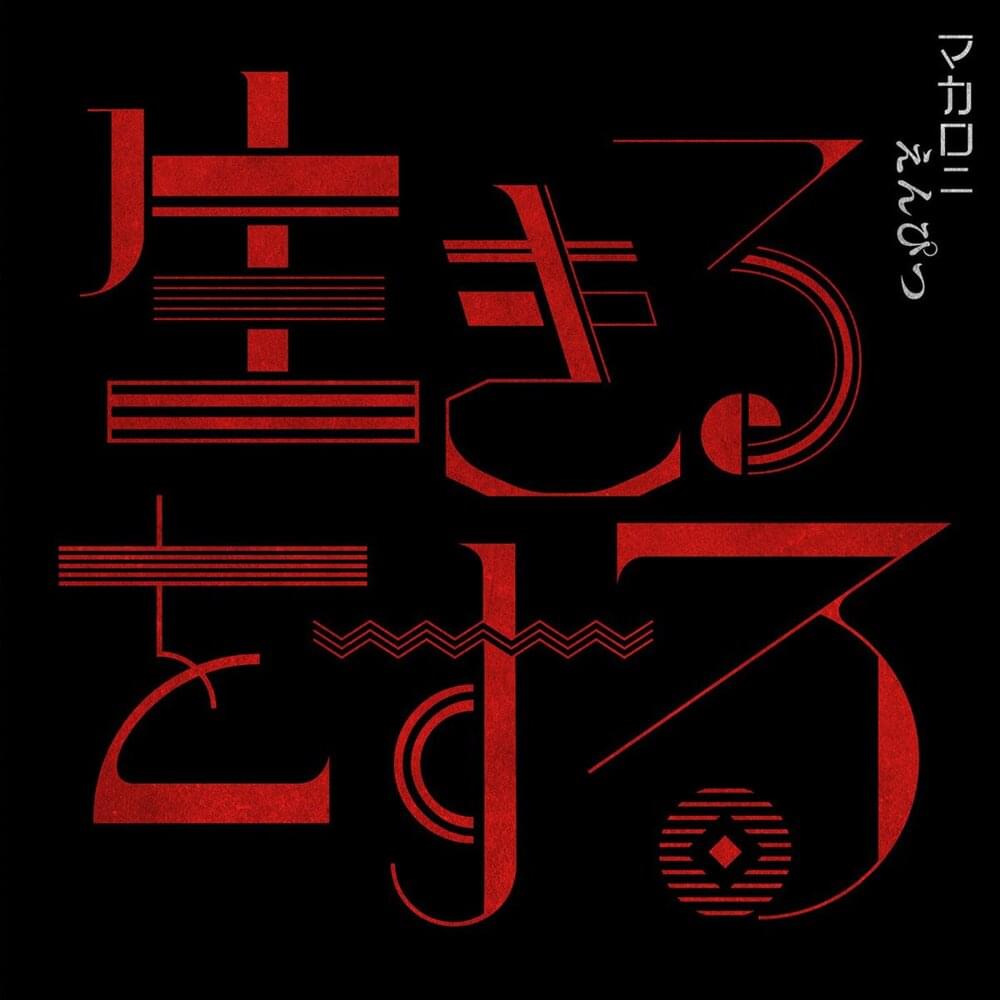
The effectiveness of these lyrics stems from their honest portrayal of self-doubt and the quiet determination to keep moving forward. The narrator doesn't offer easy answers but instead articulates the messy, ongoing process of self-love and living. Phrases like "僕らは違う痛みを生きる" (We live different pains) and the final affirmation "生きるをする" (To live) resonate because they capture the universal, yet deeply personal, act of simply existing and striving to be oneself amidst life's inherent difficulties.
 View Artist