Song Meaning
The narrator imagines a chance to visit their past self, right before a dream was realized, and wonders what words could possibly offer solace. Standing still with a folded umbrella, the scene is set for a moment of profound regret. This isn't just about a specific wish; it's about the unexpected consequence of achieving it. The lyrics reveal a stark contrast: the joy of attainment immediately gives way to the dread of loss, a future the narrator never anticipated.
The core tension lies in the narrator's self-destruction after reaching their goal. They describe becoming fragile and small, crushing the very love they hold onto with trembling hands and desperate prayers. The question "どうすればよかった" (What should I have done?) echoes, highlighting a desperate search for an answer that seems out of reach. This self-sabotage, born from fear of losing what was gained, is the central conflict.
The imagery of a bird that forgets how to fly, and consequently loses its reason for flight, powerfully illustrates the narrator's state. This bird eventually stops looking at the sky, mirroring the narrator's own potential to abandon hope. The idea of a single thread connecting the past self to the present one, which the narrator is trying to pull closer, suggests a fragile link to their former identity and aspirations, waiting for a "long rain" to end.
Ultimately, the lyrics convey a profound sense of searching for meaning and self-acceptance after experiencing loss and self-inflicted damage. The narrator acknowledges that there's no single, perfect answer, but the act of questioning and seeking brings them incrementally closer to truth. The hope is that one day they can look back and affirm, "でもこれでよかった" (But it was good this way), even amidst the uncertainty of their purpose and desires.
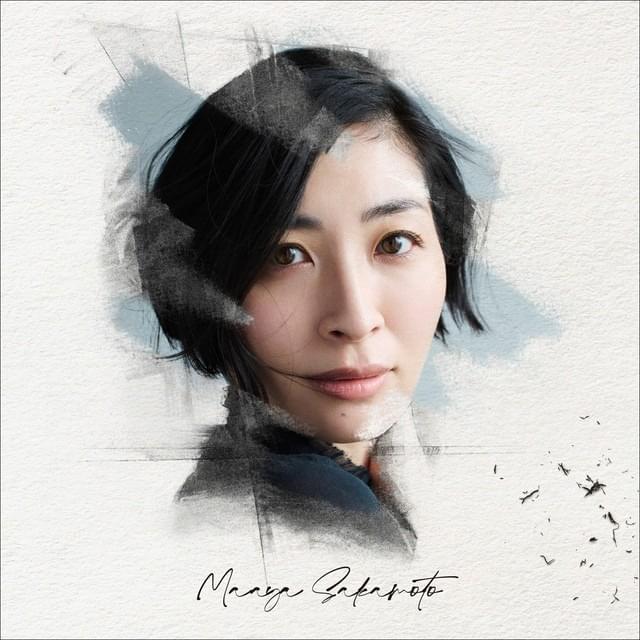
 View Artist