Song Meaning
The lyrics grapple with a profound weariness, a sense that life's struggles and moral calculations are futile if they only impact some abstract future. The narrator feels "gently threatened" daily by the idea that their present "good and evil" might affect "next life's deviation score," a concept that feels both absurd and oppressive. This leads to a desperate plea: "just once is fine," for their life to be over, implying an exhaustion with the current existence.
The central tension arises from the desire for a single, definitive life experience. The narrator rejects the idea of reincarnation or endless cycles, stating "No, I don't want it," and "No, I don't want to do it anymore." Instead, they propose a radical shift: if this is truly the only life, they will "live it for real, to death." This isn't a passive acceptance but an active, intense engagement born from the finality of the situation.
The craft here is in the stark contrast between the perceived futility of moral accounting and the intense, almost defiant embrace of a singular life. The lyrics question the societal tendency to ignore suffering, noting how people "pretend not to see" those who are "falling." This observation fuels the narrator's resolve: if this world is all there is, and it's a view they'll "never see again," then there's "no time to hate." The focus shifts from judgment and consequence to a complete, unreserved expenditure of life and self.
This intense focus on a singular, fully-lived existence, born from a rejection of cyclical suffering and future judgment, is what makes these lyrics hit so hard. The idea that finality can unlock true passion – "If it's just once, I can truly love someone" – is a powerful, albeit dark, reframe. The ultimate declaration, "I'll use up my life," is a testament to finding purpose not in eternal reward, but in the complete, unadulterated consumption of the present moment, precisely because it is finite.
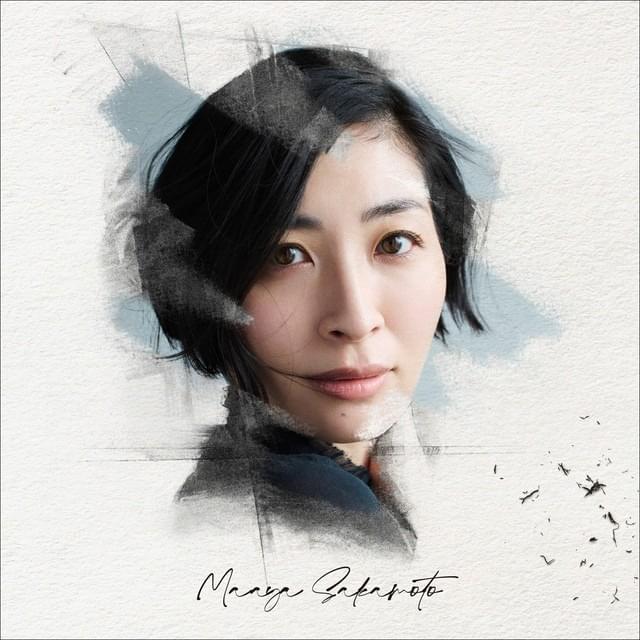
 View Artist