Song Meaning
The lyrics paint a stark picture of a crumbling foundation, both literal and metaphorical, where "brother cuts brother's throat." This immediate sense of betrayal and societal decay sets a grim stage. The narrator directly invokes the archetypal figures of "Kreon" and "heroic Antygona," suggesting a timeless conflict between power and defiance, or perhaps the cyclical nature of power struggles where such roles are always present. The opening lines establish a world where internal strife is the norm, hinting at a deep-seated rot.
The central tension arises from a profound sense of lost potential and a vengeful turn. The narrator laments what "could have been" – a "shadow in the hot noon" or a "tender lover in the middle of the night" – contrasting sharply with the destructive path now chosen. This shift from potential warmth and comfort to a vengeful, invasive presence highlights a deep wound. The repeated threat, "Be afraid now, you Kreon," underscores a direct confrontation with a figure of authority or oppression, promising sleepless nights for the target.
The most striking craft element is the transformation of the narrator's identity into invasive, persistent pests. The willingness to become "a rat" that "reaches you through the smallest hole" or "a cockroach" to "whisper curses in your ear" is a powerful image of inescapable, insidious retribution. This is juxtaposed with the assertion of inner strength: "I am a hard diamond / You only polish it." This suggests that the perceived weakness or the actions taken are not born of frailty but are a response to being shaped or pressured by the antagonist, turning a perceived flaw into a weapon.
These lyrics resonate because they tap into a primal sense of injustice and the desperate measures one might take when all other avenues are closed. The imagery of becoming vermin to exact revenge is visceral and unsettling, while the diamond metaphor offers a defiant counterpoint, suggesting an unbreakable core that is merely being refined by adversity. The direct address to "Kreon" grounds the abstract conflict in a personal, almost mythic confrontation, making the threat feel both ancient and immediate.
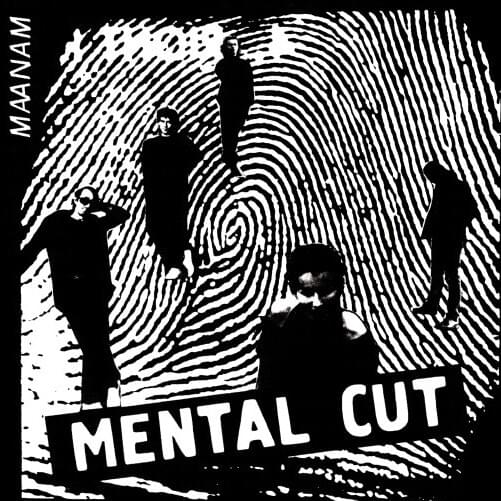
 View Artist