Song Meaning
A boy with a hawk-like face arrives in town, and a divine force seems to ignite a dervish's heart. This sudden, overwhelming love steals his sleep and, eventually, his reason. The city itself feels the intensity, with the sun "fainting from thirst" and the "stone market burning." This isn't just personal turmoil; the environment mirrors the dervish's internal inferno.
The core tension lies in the dervish's ecstatic, almost violent dance, which lasts for "three days." This prolonged, frenzied state, driven by love, pushes him beyond sanity. The repetition of "Derwisz tańczy trzeci dzień" emphasizes the relentless, consuming nature of his experience. The lyrics suggest a spiritual or emotional breaking point, where love becomes an unbearable, all-encompassing force.
The most striking craft element is the stark contrast between the dervish's escalating ecstasy and the crowd's growing unease. While he spins in "ecstasy, ecstasy, ecstasy," his "hair whips the market," and the "crowd's dislike grows." This shift from a spectacle to something unsettling culminates in his collapse and the boy's swift departure, leaving the dervish alone and broken.
This narrative is effective because it externalizes an internal breakdown through vivid, almost surreal imagery. The transformation of the boy into a dervish, the burning market, and the crowd's reaction all serve to amplify the destructive power of this overwhelming love. The abrupt ending, with the dervish falling and the boy fleeing, leaves a lingering sense of loss and the destructive aftermath of an uncontainable passion.
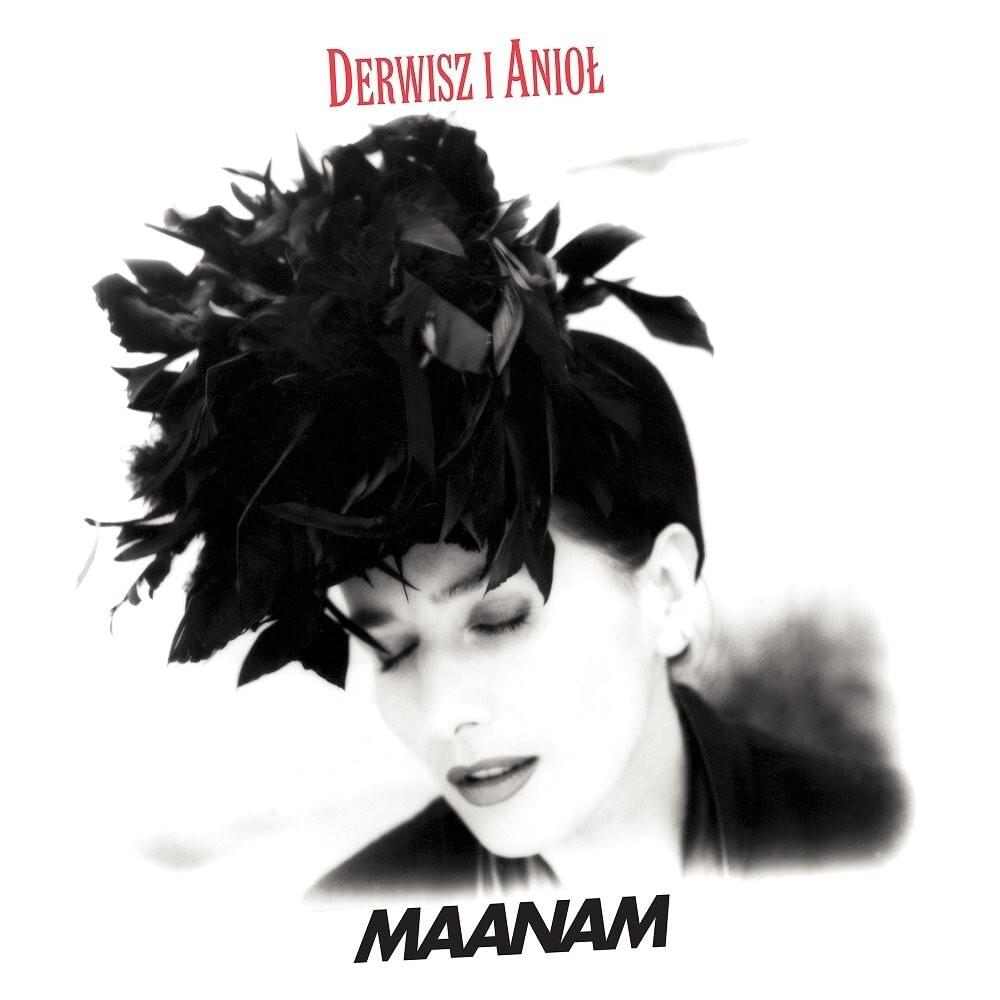
 View Artist