Song Meaning
The lyrics paint a stark picture of immediate dread and a desperate present. Time itself warps, stretching minutes into agonizing hours and days, a feeling amplified by the narrator's perceived inability to escape a father's destructive path. This sense of being trapped fuels a profound anxiety, where each passing moment feels like the final one. The narrator's refusal to engage with the past or future, stating "If I can't tell my future I won't tell my past," underscores this overwhelming focus on the immediate, terrifying now.
The central tension arises from this existential threat, personified by the father and the looming possibility of violence or death. The imagery of natural flow – the brook into the river, the river into the sea – contrasts with the narrator's own stagnant, perilous situation. This natural progression highlights the unnatural, dangerous state the narrator is in, where the only escape from confronting the father seems to be a violent end: "If I don't run into my daddy, somebody'll have to bury me."
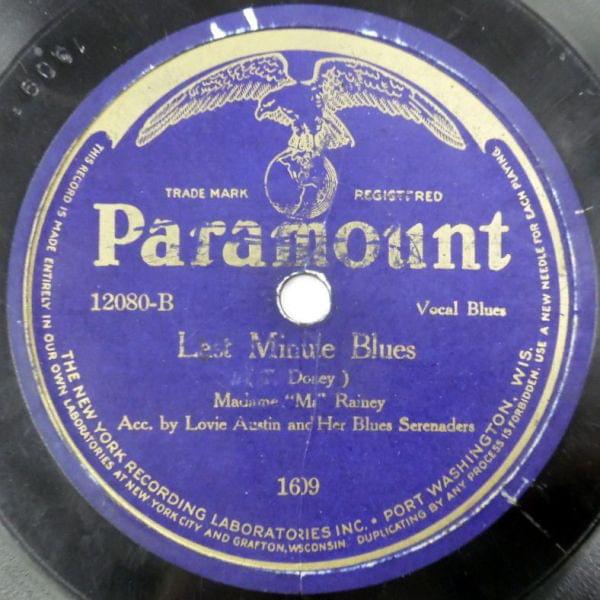
The song's power lies in its raw, repetitive structure and stark, almost fatalistic pronouncements. The repeated lines, like "Minutes seem like hours, hours seem like days," hammer home the suffocating feeling of dread. The final verse, attributing the song to "Ma Rainey," shifts the perspective, framing the intense personal blues as a performance, a recorded lament that transcends the immediate crisis, giving it a historical weight and a sense of shared, enduring sorrow.
This lyrical construction effectively conveys a feeling of inescapable doom and profound loneliness. The blurring of personal experience with a broader, almost mythic sense of blues tradition, as suggested by the Ma Rainey attribution, allows the intense, immediate fear to resonate as a timeless expression of hardship and survival. The starkness of the language, combined with the relentless rhythm of the repetition, creates a visceral impact, pulling the listener directly into the narrator's desperate state.
 View Artist