Song Meaning
The narrator directly addresses the "bo-weavil," urging it to cease its mournful song. Yet, the very next line reveals the futility of this plea, stating the "bo-weavil's here, bo-weavil's everywhere." This establishes a pervasive, inescapable presence that the blues seem to embody. The initial command feels less like a genuine request and more like an acknowledgment of a deeply ingrained sorrow.
The perspective then shifts, revealing the narrator *is* the "lone bo-weavil," claiming a long period of wandering and isolation. The blues are not just an external force but a personal expression, a way to "ease the bo-weavil's lonesome mind." This internalizes the blues, transforming the initial plea into a self-directed lament. The repetition of "lone bo-weavil" emphasizes this solitary struggle.
A striking turn occurs in the third verse, where the narrator rejects male companionship, specifically the offer of "sugar in my tea." The reason given is a deep-seated distrust, a fear that men are "so evil" they might "poison me." This suggests the narrator's isolation isn't just circumstantial but a protective measure against perceived harm, a radical self-reliance born from past negative experiences.
Finally, the lyrics pivot to a concrete image of attempted self-improvement or distraction: buying a hat and placing it on a shelf. This action, however, leads not to satisfaction but to a stark realization: "gettin' tired of sleepin' by myself." The material acquisition fails to fill the void, highlighting the persistent ache of loneliness that the bo-weavil blues seem to represent and, paradoxically, perpetuate.
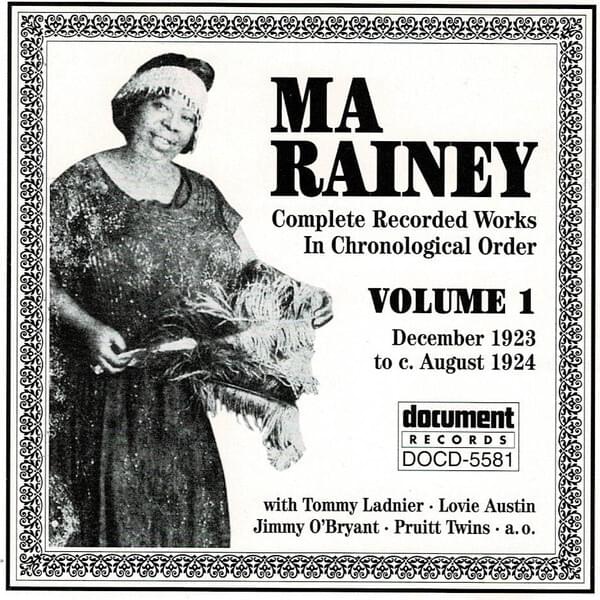
 View Artist