Song Meaning
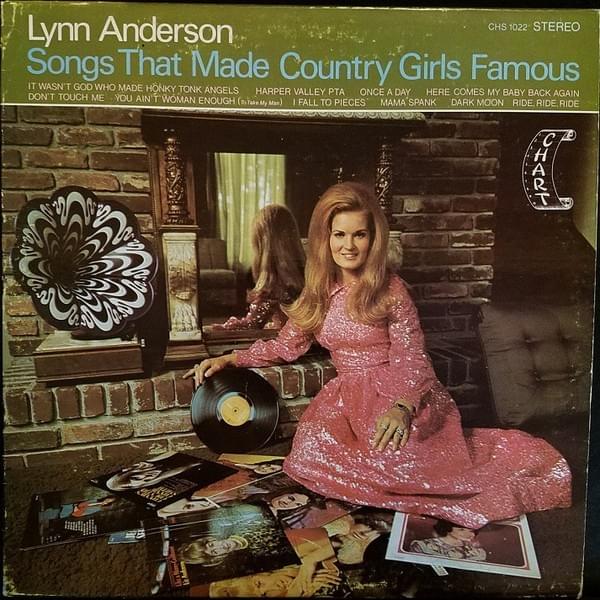
Lynn Anderson's retort in "It Wasn't God Who Made Honky Tonk Angels" isn't just a clever lyrical reversal; it's a steel-edged rebuke of country music's ingrained double standard. The song explodes the myth, perpetuated by male artists, that women are solely responsible for the temptations of honky-tonk life and broken marriages. It’s a direct challenge to the narrative that casts women as either saints or sinners, ignoring the agency and culpability of men. Anderson's intervention isn't a simple blame game; it's a call for accountability. By pointing out that "married men think they're still single," she highlights the hypocrisy at the heart of the issue.
The brilliance of "It Wasn't God Who Made Honky Tonk Angels" lies in its ability to flip the script. Anderson doesn't deny the existence of "honky tonk angels," but she re-contextualizes their origin. These women, she argues, are not inherently flawed or morally bankrupt. Instead, they are products of a system where men are allowed, even encouraged, to shirk their responsibilities and indulge in infidelity without consequence. The line, "From the start most every heart that's ever broken / Was because there always was a man to blame," is a powerful indictment of patriarchal structures that protect male privilege at the expense of women's emotional well-being.
Ultimately, Anderson's song meaning transcends a simple gender dispute. It's a psychological exploration of cause and effect, responsibility and blame. The song dismantles the simplistic narrative of female temptation and male innocence, revealing the complex interplay of societal expectations, individual choices, and the devastating consequences of unchecked male desire. It underscores that heartbreak isn't an isolated incident but a systemic outcome rooted in unequal power dynamics, solidifying the song's legacy as a feminist anthem disguised as a country lament.
 View Artist