Song Meaning
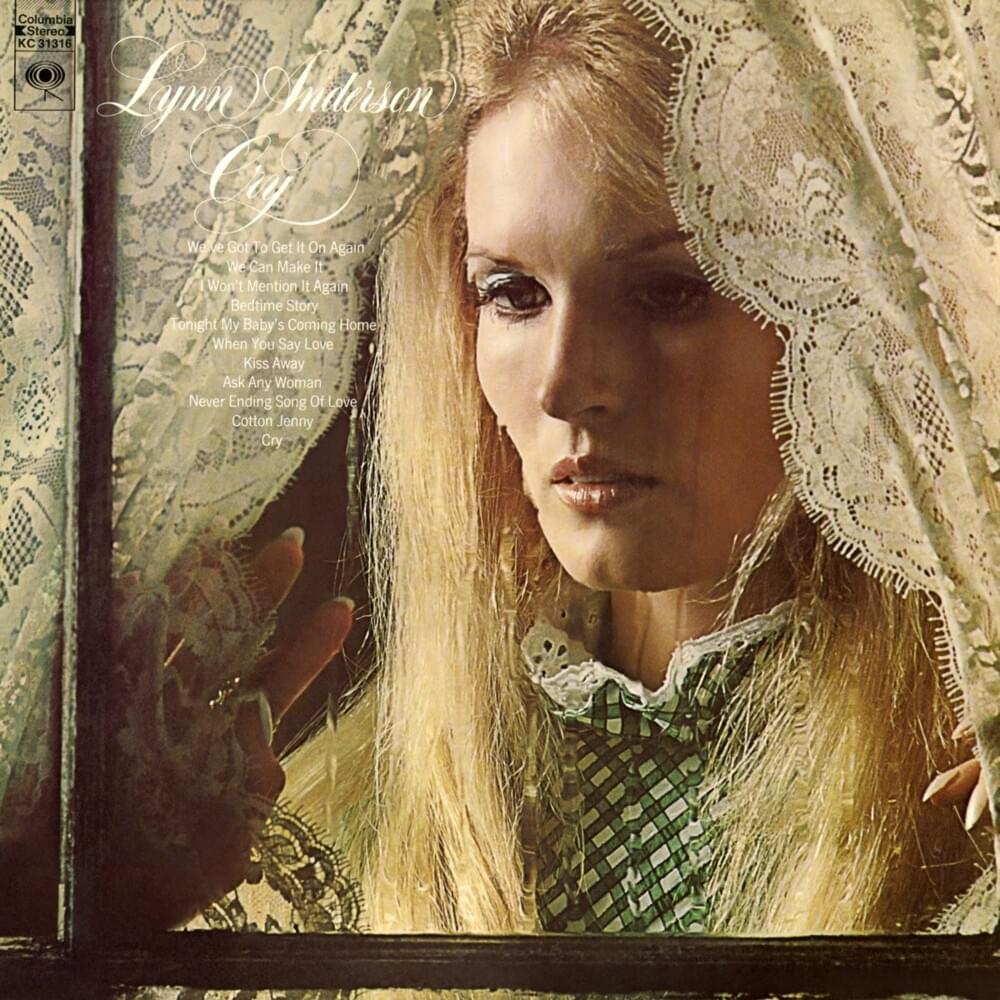
Lynn Anderson's "I Won't Mention It Again" is a masterclass in country heartbreak, a study in the art of quiet desperation. The genius lies not in histrionics but in the contained sorrow, the promise—or perhaps threat—of silence. The lyrics paint a portrait of a love affair collapsing under its own weight, the speaker acutely aware that she's become a burden to her partner. This isn't a fiery breakup anthem; it's the slow, agonizing fade of a dying ember. The opening lines, "I know you're tired of being all I ever wanted/You'll no longer feel the love I have for you," are delivered with a resigned understanding, a crushing acceptance of the inevitable. There's a palpable sense of self-awareness here, a recognition that her intense affection has become a source of suffocation. She knows the relationship is over, and the only power she has left is in choosing how to react.
The repeated phrase "I won't mention it again" is the core of the song's meaning. It's not simply a promise to remain silent about her feelings; it's a desperate attempt to maintain some semblance of dignity and control in the face of utter devastation. It’s a fragile shield against the pain, a way to avoid further alienating the departing lover. The line also carries a hint of passive aggression, a subtle jab masked as compliance. The speaker acknowledges the future, or lack thereof, singing "What happens now what will I do with all the mem'ries/And the dreams of all the things we'll never do" and it is a testament to the emotional complexity Anderson brings to the performance.
Ultimately, "I Won't Mention It Again" finds its power in understatement. The song's brilliance lies in its ability to convey profound sadness without resorting to melodrama. The "early sign of autumn" metaphor speaks volumes about the speaker's internal state, a stark image of emotional decay and the encroaching coldness of loneliness. The hunger in her soul, left by what was once warm and new, is a feeling anyone who has experienced loss can deeply understand. It's a raw and honest portrayal of heartbreak, made all the more poignant by the speaker's vow of silence, a silence that screams louder than any shouted lament.
 View Artist