Song Meaning
Lynn Anderson's "Cotton Jenny" isn't just a country daydream; it's a portrait of love and labor intertwined. The song presents a scene of rustic simplicity, a "house on a hill" where material wealth is absent, but emotional riches overflow. The lyrics depict a relationship sustained not by money ("He ain't got a penny for Cotton Jenny to spend") but by mutual support and affection. Jenny isn't just a passive figure; she's a "soft southern flame," an active participant in their shared existence, offering comfort and solace to her weary partner. The "wheels of love" aren't just a romantic metaphor; they represent the cyclical nature of their lives, the constant give-and-take that defines their bond.
The repetitive refrain of "wheels of love go round" emphasizes the enduring nature of their connection, a comforting mantra against the backdrop of economic hardship. His labor at the cotton gin isn't romanticized; it's presented as a necessary means to an end. The true reward isn't financial gain, but the promise of returning to Jenny and the sanctuary they've created. The image of Jenny rubbing his sore feet is particularly poignant, highlighting the tenderness and physical intimacy that anchors their relationship. It speaks to a deeper understanding of love as a practical, everyday act of care.
"Cotton Jenny" explores the resilience of human connection in the face of economic constraint. The song suggests that love, when grounded in mutual respect and physical intimacy, can transcend material limitations. The "joyful sound" associated with the "wheels of love" is not naive optimism, but a testament to the couple's ability to find contentment and meaning within their humble circumstances. It's a celebration of a love that perseveres, fueled by simple acts of kindness and the unwavering devotion of Cotton Jenny.
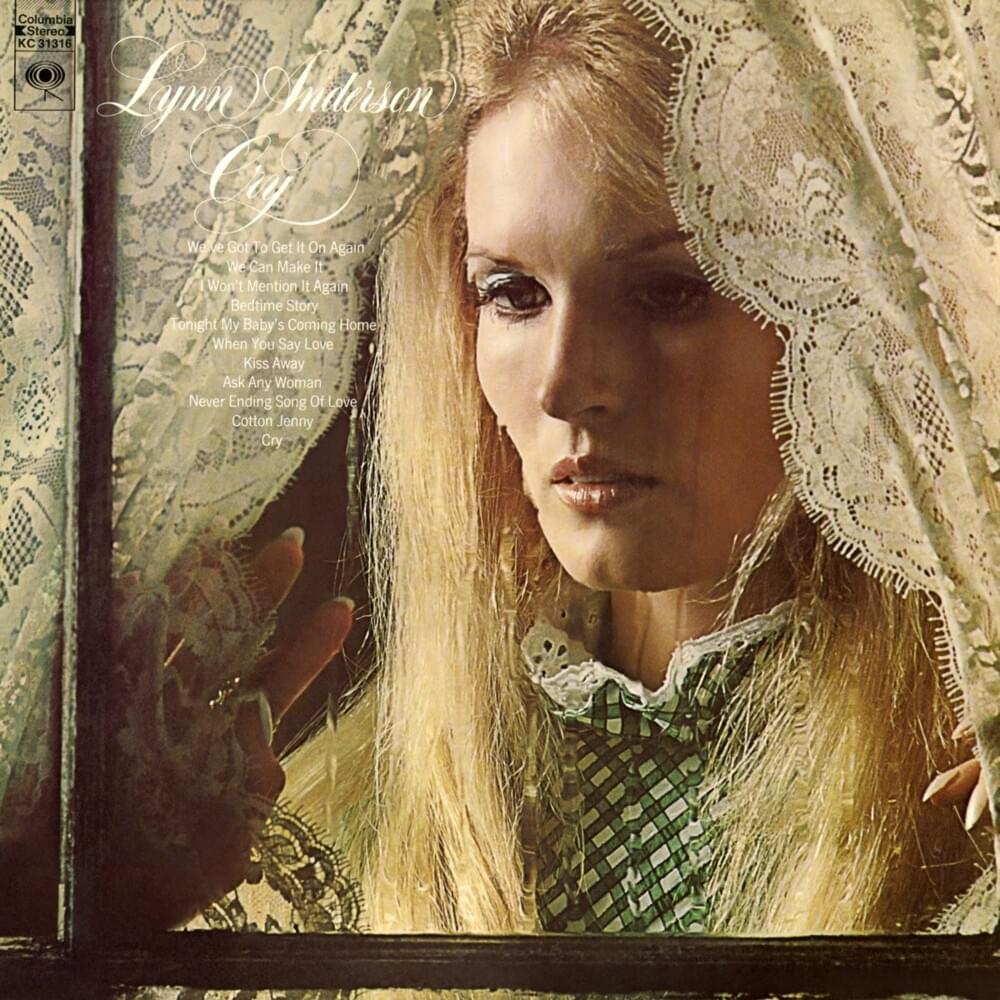
 View Artist