Song Meaning
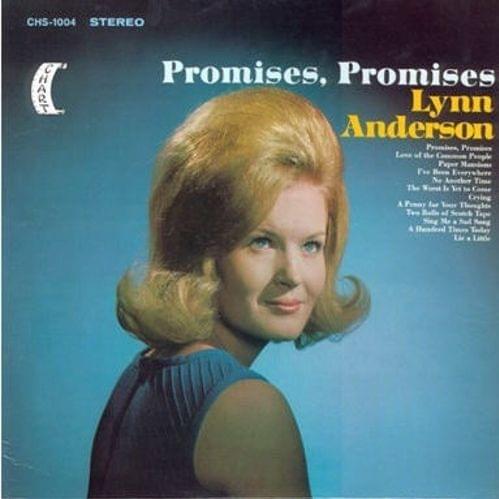
Lynn Anderson's rendition of "Crying" isn't just a lament; it's a masterclass in the performance of vulnerability. The song's deceptively simple structure—a cyclical return to the titular act of weeping—belies a deeper exploration of denial and the slow burn of heartbreak. The opening lines, "I was all right for a while / I could smile for a while," immediately establish a facade, a temporary state of normalcy achieved only through repression. This initial 'alrightness' crumbles with a single encounter, a fleeting moment of contact that reignites the pain. The lyrics analysis reveals a raw honesty about the cyclical nature of grief, where the wound, thought to be healed, is reopened by a mere hello. The polite exchange becomes a trigger, shattering the illusion of recovery.
Anderson's vocal delivery underscores the psychological complexity of the song meaning. It’s not merely sadness; it's the frustration of a relapse, the anger at oneself for not being stronger. The repetition of "crying over you" acts as both a confession and a self-inflicted punishment. The 'cry' becomes a sonic manifestation of the singer's internal state, a loop of sorrow that she seems unable to break free from. The understated instrumentation further amplifies the sense of isolation and the feeling of being trapped within one's own emotions.
Ultimately, "Crying" resonates because it captures the universal experience of heartbreak's lingering presence. It's a reminder that moving on isn't always a linear process, and that sometimes, the slightest reminder can send us spiraling back to the beginning. The song's power lies not just in its sadness, but in its unflinching portrayal of the struggle to maintain composure in the face of overwhelming emotional pain. It's a testament to the enduring power of vulnerability in country music and a demonstration of Anderson's skill in embodying complex emotions.
 View Artist