Song Meaning
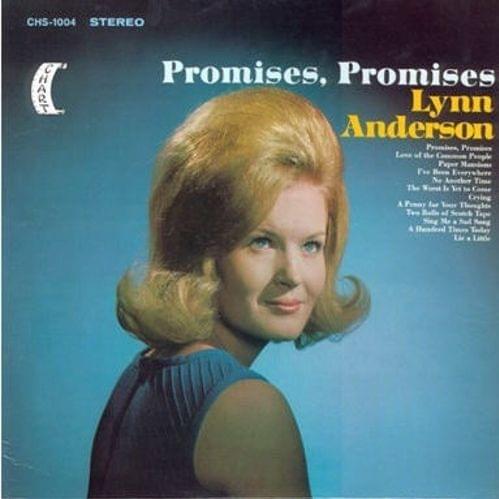
Lynn Anderson's "A Hundred Times Today" isn't a straightforward country lament; it's a masterclass in denial, wrapped in a deceptively simple melody. The lyrics initially present a picture of easy forgetting, almost flippant in their dismissal of heartbreak cliches. She claims forgetting is 'an easy thing,' suggesting a clean break, a decisive severing of emotional ties. However, the constant repetition—the 'hundred times today'—immediately betrays the fragility of this assertion. It's less about forgetting and more about relentless, exhausting suppression. The very act of repeatedly pushing him from her mind underscores his persistent presence there. The core of the song meaning lies in this contradiction.
The second verse deepens the psychological complexity. Anderson acknowledges that the *real* struggle isn't the forgetting, but the constant, jarring *remembering* that he's gone. This is the crux of the song: a mind battling against its own natural inclination to recall, to yearn. The line 'I just don't let you stay' is particularly telling. It reveals a conscious, almost violent act of mental eviction. She's not passively forgetting; she's actively fighting the memories, policing her own thoughts. This speaks volumes about the depth of the initial attachment and the pain of its dissolution.
The song's structure reinforces this internal conflict. The repetition of the chorus, with its emphasis on the impossible frequency of forgetting, becomes almost manic. It's a mantra, a desperate attempt to convince herself (and perhaps the listener) of a reality that doesn't quite exist. The breezy melody, typical of Anderson's style, provides a stark contrast to the underlying turmoil, creating a sense of cognitive dissonance. "A Hundred Times Today" is therefore a poignant exploration of the messy, often contradictory nature of grief and the lengths we go to in order to protect ourselves from its full force. It's a song about the performance of moving on, even when the heart hasn't quite caught up.
 View Artist