Song Meaning
Jim Reeves's "There's a Heartache Following Me" isn't just a country song; it's a masterclass in denial. The song's core revolves around the chasm between outward pronouncements and inner turmoil. Reeves's narrator repeatedly insists on his happiness and indifference toward a lost love, claims undercut by the pervasive, almost spectral presence of heartache itself. The lyrics expose a man trapped in a performance of emotional detachment, a charade designed to mask a persistent and agonizing longing. It's a portrait of a broken heart desperately trying to convince itself—and others—that it's healed. The forced bravado only amplifies the underlying vulnerability.
The repeated line, "I look around and there's a heartache followin' me," acts as a haunting refrain, underscoring the inescapability of the narrator's pain. It's not merely a memory; it's an active pursuer, a constant reminder of what's been lost. This sense of being haunted suggests a deeper psychological struggle, a refusal to confront the reality of the heartbreak and process it in a healthy way. The act of pawning possessions further emphasizes a desperate attempt to sever ties with the past, a symbolic gesture that ultimately proves futile. The heartache, Reeves implies, is not tied to material objects but deeply embedded within the narrator's psyche.
Ultimately, "There's a Heartache Following Me" succeeds in its raw depiction of self-deception. The narrator's repeated denials and attempts to project an image of indifference highlight the difficulty of moving on from a significant relationship. The song's power lies in its ability to evoke empathy for a character caught in a cycle of denial and pain, a testament to the enduring power of lost love and the internal battles we wage to cope with its aftermath. It's a quiet, devastating exploration of the gap between what we say and what we truly feel, solidifying its place as a classic in the country music canon.
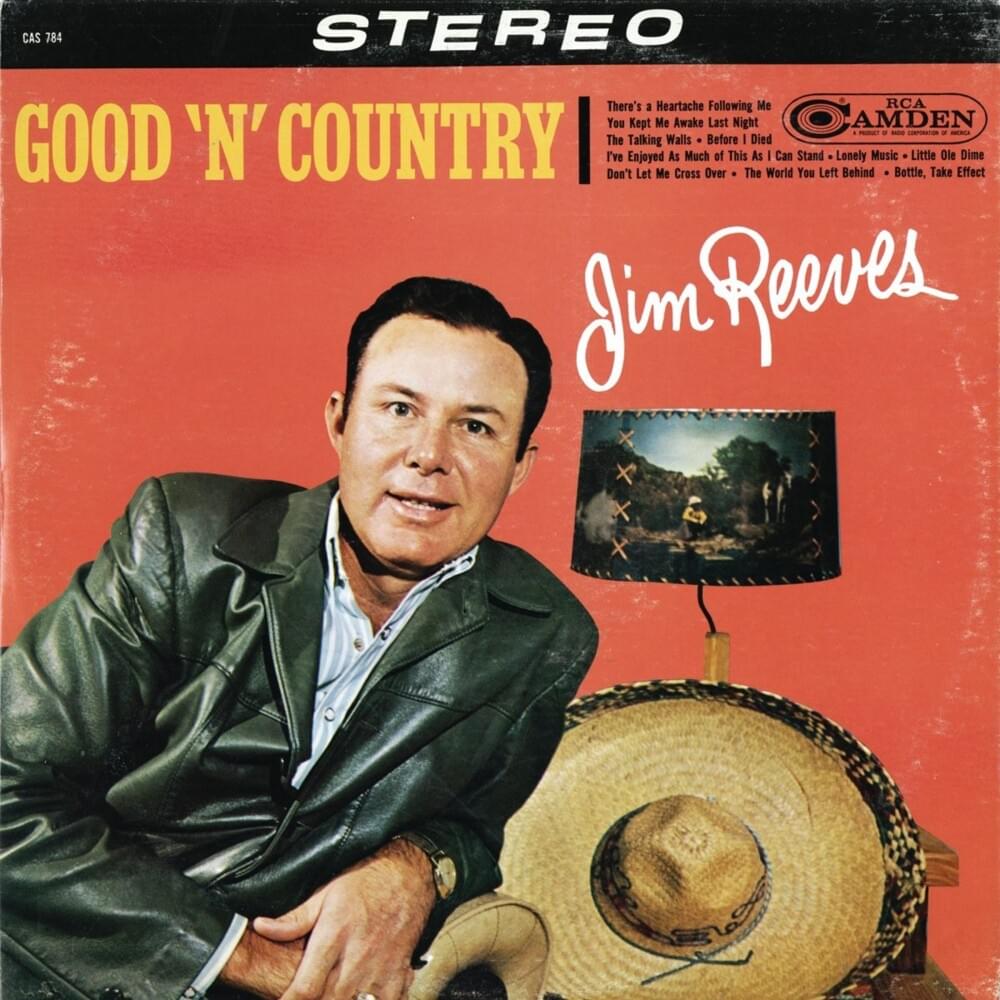
 View Artist