Song Meaning
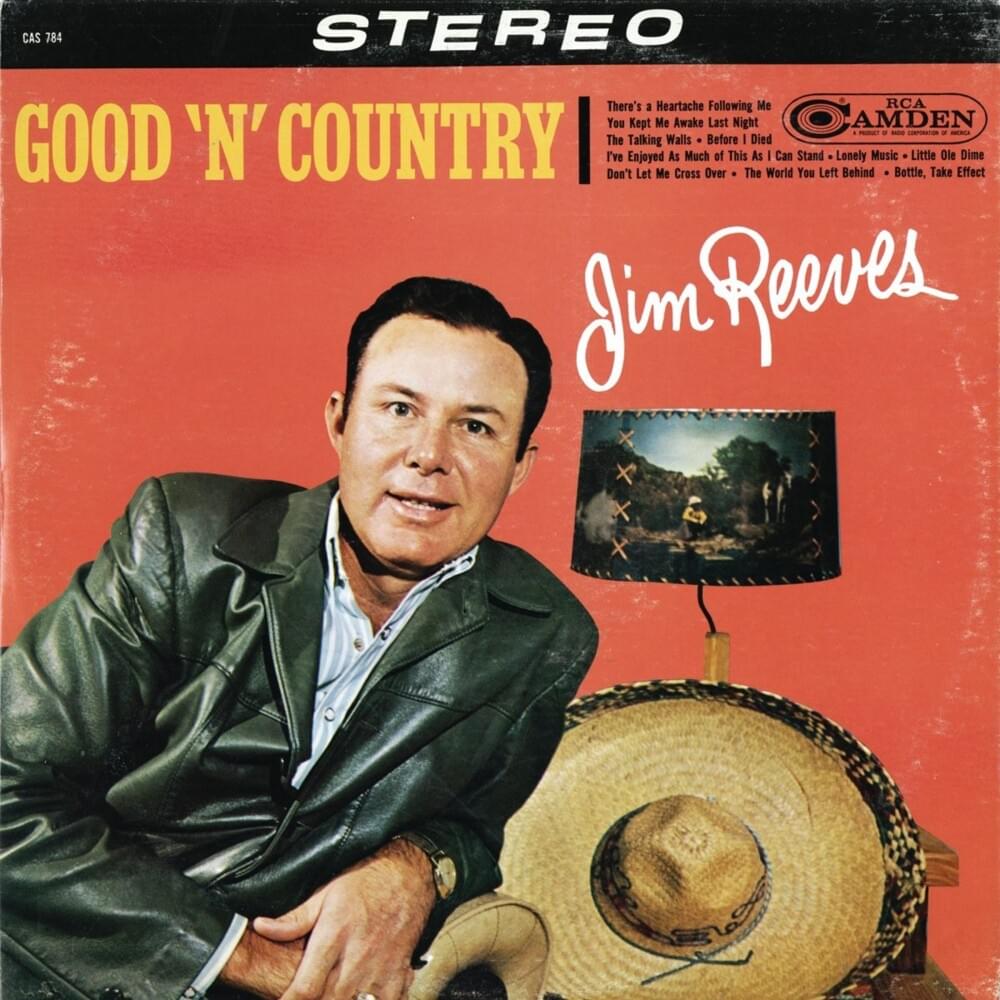
Jim Reeves's "Don't Let Me Cross Over" isn't just a countrypolitan lament; it's a raw, internal plea disguised as a cautionary tale. The song's core isn't the thrill of forbidden love, but the agonizing battle against one's own desires. Reeves paints a picture of a man teetering on the edge of infidelity, fully aware of the moral and emotional consequences, yet drawn ineluctably toward the 'cheatin' line.' The brilliance lies in its vulnerability; he's not rationalizing or justifying, but begging for restraint, both from his object of affection and, more importantly, from himself. This isn't a song about blame; it's about the fraught territory of temptation.
The repeated entreaty, 'Don't let me cross over,' functions as both a direct address to the woman and a desperate mantra. He acknowledges the magnetic pull – 'one step closer would be heaven divine' – but recognizes the devastating fallout. The lyrics subtly reveal a power dynamic; while outwardly seeking her help, he's ultimately grappling with his own lack of control. The line 'your eyes keep saying, that you love me too' hints at a reciprocal attraction, fueling the internal conflict. It's the shared desire that makes the 'cheatin' line' so dangerously alluring, transforming the song into a duet of internal struggle.
"Don't Let Me Cross Over" resonates because it taps into a universal fear: the fear of succumbing to our baser impulses. The simplicity of the language belies the complexity of the emotions at play. Reeves masterfully captures the agonizing tension between longing and conscience, transforming a potentially tawdry tale of adultery into a poignant exploration of human frailty. The song's enduring appeal stems from its unflinching honesty about the seductive power of temptation and the desperate need for self-control in the face of overwhelming desire.
 View Artist