Song Meaning
Lyle Lovett's deceptively simple song, "The Fat Girl," cuts to the bone of childhood trauma and its lasting psychological scars. On the surface, it's a vignette of a young girl, isolated and bullied, finding solace in music. But the haunting repetition of "They don't mean it" and later, "She don't mean it," unravels a much darker truth about self-perception and the elusive nature of healing. The mother's dismissive reassurance, intended to soothe, inadvertently invalidates the girl's pain, teaching her to suppress her feelings and distrust her own experiences. This sets the stage for a lifetime of internal conflict.
The transformation from "fat girl" to a confident performer seems like a triumphant narrative of overcoming adversity. Yet, the lyrics subtly suggest that this newfound confidence is a facade. The phrase "Lord, how she plays piano" possesses a subtle sarcasm. The fact that she "sings of love and blind compassion" is ironic, given the history laid out in the first half of the song. This suggests a performance, a carefully constructed persona designed to mask the still-lingering pain of her past. The mastery of her art, while impressive, becomes a shield, a way to project an image of wholeness that doesn't quite align with her inner reality.
The song meaning resides in that final, chilling repetition: "She don't mean it." Is she singing of love and compassion because she genuinely feels it, or is she simply performing the expected role? The ambiguity is the key. Lovett masterfully explores how trauma can warp our understanding of ourselves and our ability to connect with others authentically. The song isn't just about bullying; it's about the insidious ways in which early experiences can shape our identities, leading us to question the very sincerity of our emotions and actions. "The Fat Girl" becomes a poignant meditation on the enduring power of childhood wounds and the complexities of self-acceptance.
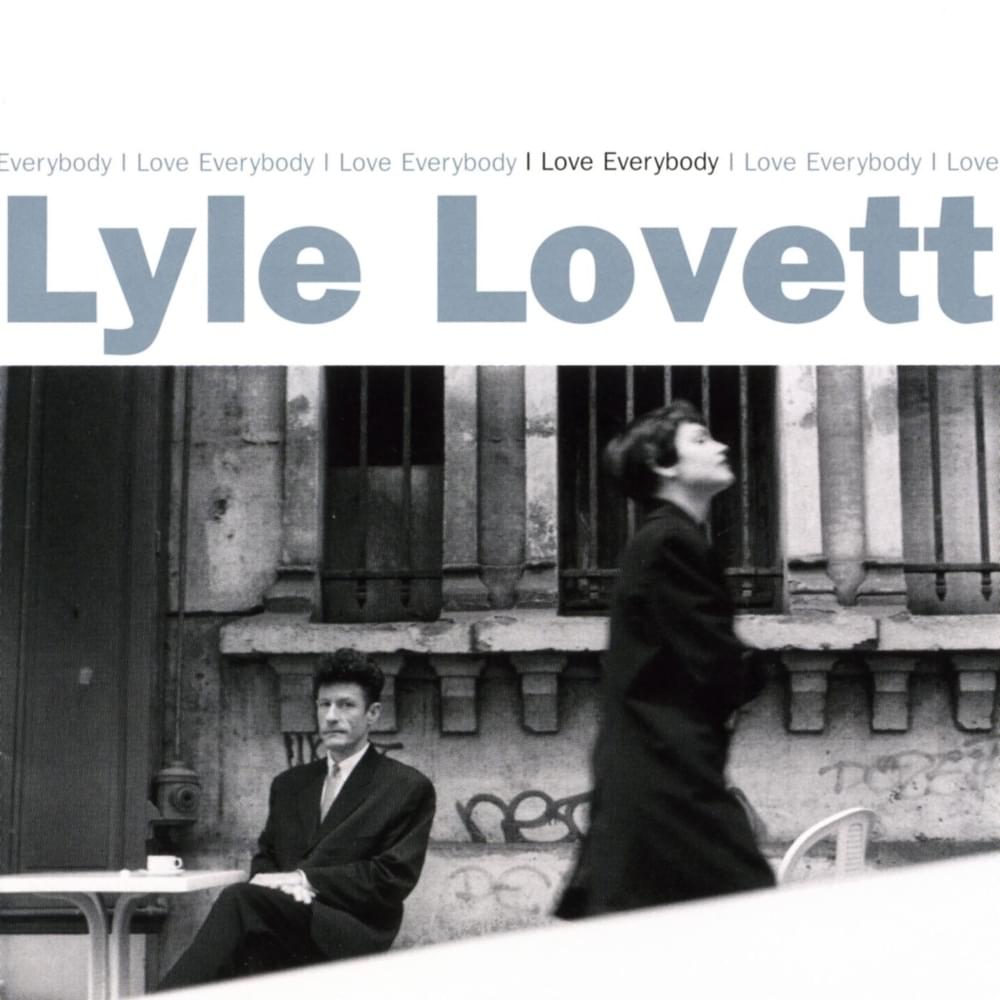
 View Artist