Song Meaning
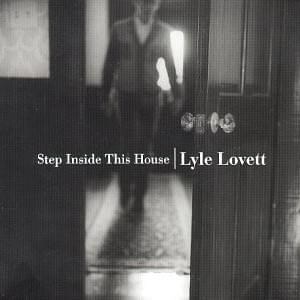
Lyle Lovett's "Rollin' By" isn't just a song; it's a cinematic tableau of West Texas desolation. Lovett paints a portrait of a dying town, a place where the American Dream has stalled, and the relentless churn of progress has left only ghosts and echoes. The imagery is stark: a closed drugstore, a dry riverbed, a silent drive-in theater. These aren't just physical locations; they're symbols of lost hope and vanished community. The "stainless steel stallions" of the semis become a metaphor for the uncaring forces of commerce, obliterating everything in their path. The refrain, "Goin' hard, goin' fast, goin' wild," initially sounds like a celebration of freedom and speed, but in this context, it morphs into a frantic, almost desperate attempt to outrun the inevitable decay. It's the sound of a culture clinging to the edge, accelerating towards an unknown future while leaving its past in the dust.
The song's power lies in its juxtaposition of past and present. The "mission" and the "graves where the old cowboys lie" stand as silent witnesses to a bygone era, a time when the West was romanticized and full of promise. But that promise has been broken. The cowboys are gone, and the town is crumbling. Lovett subtly suggests that the relentless pursuit of progress, the "rollin' hard, rollin' fast, rollin' wild," has come at a significant cost. The "post-wartime lovers" represent an era of optimism and growth, now replaced by emptiness and silence. The missing Friday night picture symbolizes the loss of shared experiences and communal joy.
Ultimately, "Rollin' By" is a meditation on impermanence and the relentless march of time. The narrator's position at the "last filling station" underscores his role as an observer, a witness to the town's demise. The "wind moans a dirge to a coyote's cry," creating an atmosphere of profound loneliness and resignation. The final image of the narrator getting back in his car and heading out onto the highway suggests a reluctant acceptance of this reality. He too is "rollin' by," caught in the same relentless current that is sweeping away the past. The song's meaning resonates beyond the specific setting of West Texas; it speaks to the universal experience of loss, change, and the struggle to find meaning in a world that is constantly in flux. This Lyle Lovett song is a stark reminder that progress isn't always progress and that sometimes, the price of moving forward is leaving something precious behind.
 View Artist