Song Meaning
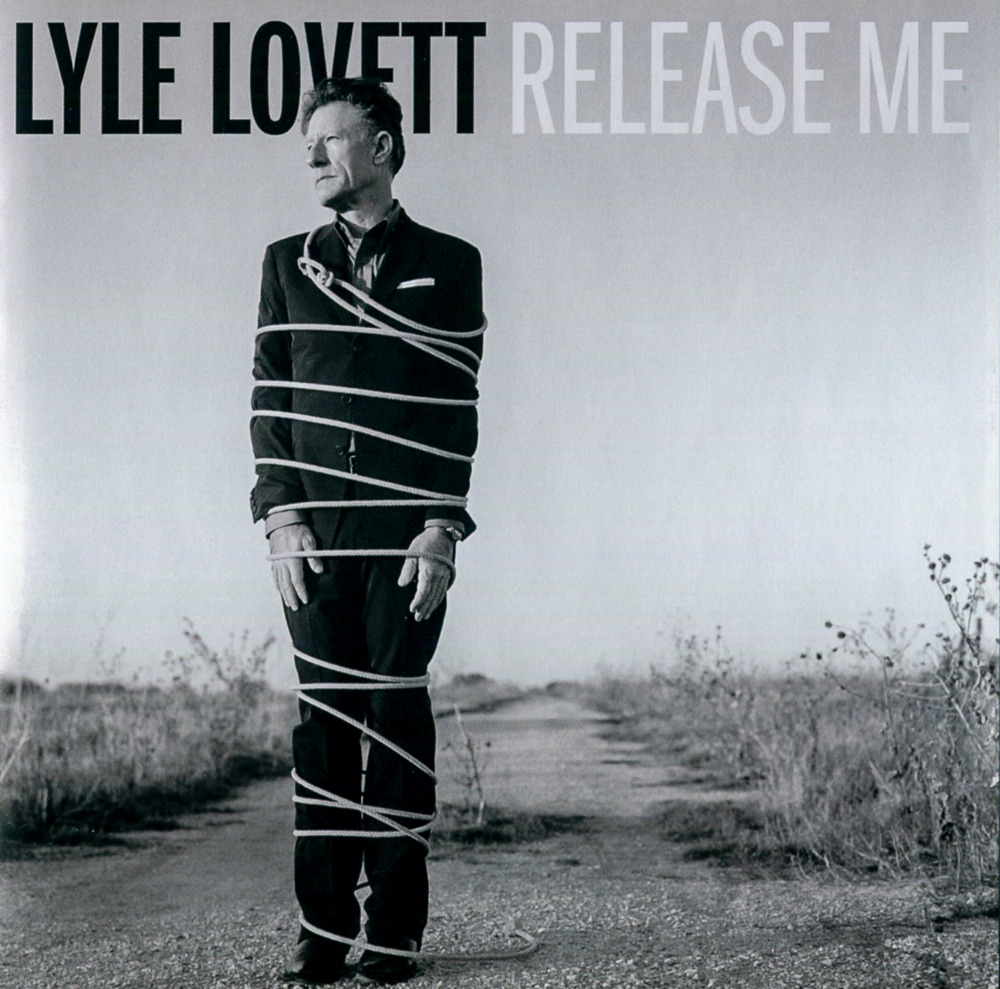
Lyle Lovett's rendition of "Release Me" (here titled "Fight With Love") cuts straight to the bone of romantic dissolution. Stripped of flowery language, the song confronts the uncomfortable truth that love, once vibrant, can decay into a state of emotional imprisonment. The plea to "release me, let me go" isn't just a request; it's a desperate attempt to escape a relationship that has become morally untenable, a "sin" in its continued existence. This isn't a tale of gradual drifting apart, but a sudden, decisive break fueled by the intoxicating allure of a "new love." The stark contrast between the warmth of the new lover's lips and the coldness of the current partner paints a vivid picture of emotional abandonment.
At its core, "Fight With Love" explores the uncomfortable intersection of desire and morality. The singer acknowledges the pain caused by their departure, yet frames their actions as a necessary act of self-preservation. It's a raw, unflinching look at the selfishness inherent in the pursuit of happiness, even when that pursuit inflicts pain on another. The repeated refrain underscores the urgency and finality of the decision, leaving little room for negotiation or reconciliation. There's a brutal honesty in admitting that the capacity to love has simply shifted elsewhere.
Ultimately, the song's power lies in its unsentimental portrayal of a common human experience. The lyrics present a scenario where love isn't a fairytale but a complex, often messy, emotion that can evolve and redirect itself, leaving casualties in its wake. The simplicity of the language amplifies the emotional weight, forcing the listener to confront the uncomfortable reality that love, like any other human emotion, is subject to change and decay. Lovett’s version, with its characteristic understated delivery, only serves to heighten the song's stark emotional impact.