Song Meaning
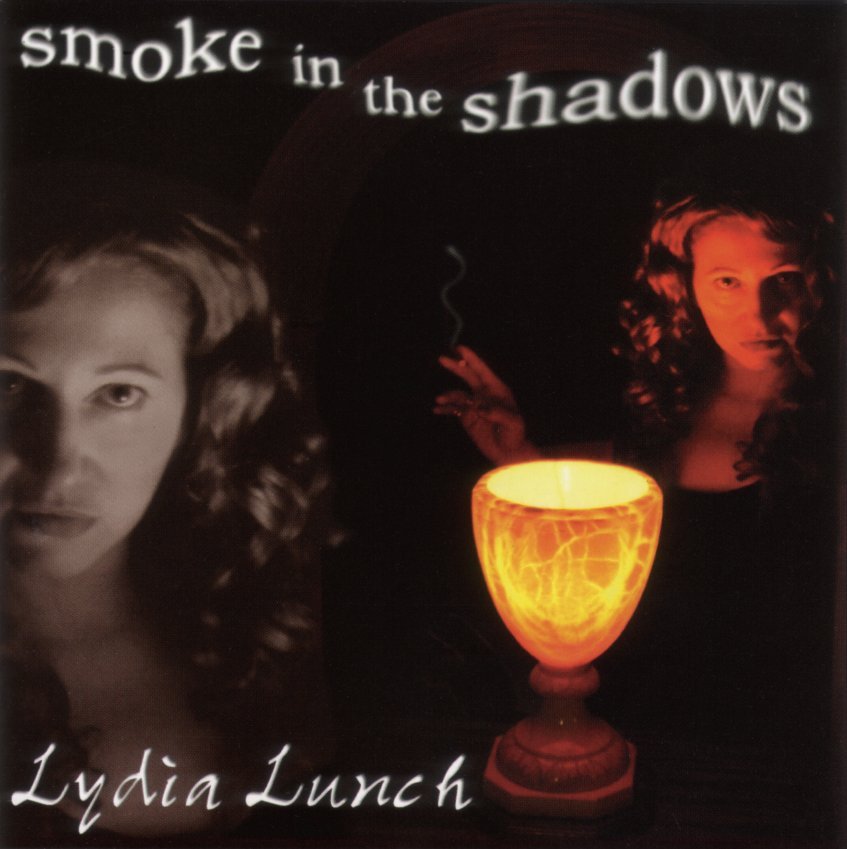
Lydia Lunch's "Johnny Behind the Deuce" isn't a song; it's a psychic autopsy. It dissects a character named Johnny, a man defined by self-destruction and a disturbingly casual embrace of violence. The lyrics paint a portrait of addiction, not just to substances, but to pain itself. Johnny’s habits are brutal: physical abuse, self-harm, reckless gambling, and a debased sexuality all coalesce into a vortex of nihilism. The recurring image of being "shot in the back" isn't literal; it's a metaphor for the constant betrayal—either self-inflicted or by others—that defines his existence. He's a walking casualty of a world that chews up the vulnerable and spits them out. Lunch doesn't offer sympathy, just a clinical, unflinching observation. She's not asking us to understand Johnny, but to recognize the patterns of self-destruction that haunt the edges of society.
The phrase "behind the deuce" itself is telling. The deuce, a two in cards or dice, is often associated with bad luck or a losing hand. Johnny isn't just playing the game; he's lurking in the shadows behind the losing bet, actively courting disaster. His claim that "it's how you play the game" is a pathetic rationalization, a desperate attempt to impose control on a life spiraling out of control. The religious imagery, comparing his self-inflicted wounds to those of Jesus, is particularly disturbing. It's not a plea for redemption, but a twisted justification for his suffering, a perversion of faith used to validate his self-destructive tendencies.
The song doesn’t flinch away from the brutal realities of Johnny's world, a world where "love" is inextricably linked with pain and where forgetting requires a descent into degradation. The "big-lipped chicks who fought to main" aren't romantic partners; they're co-conspirators in his self-destruction, equally damaged souls locked in a cycle of mutual exploitation. Ultimately, "Johnny Behind the Deuce" is a bleak commentary on the human capacity for self-inflicted suffering and the seductive allure of the abyss. Lydia Lunch doesn't offer answers or solutions; she simply holds up a mirror to the darkest corners of the human psyche and forces us to confront what we see.
 View Artist