Song Meaning
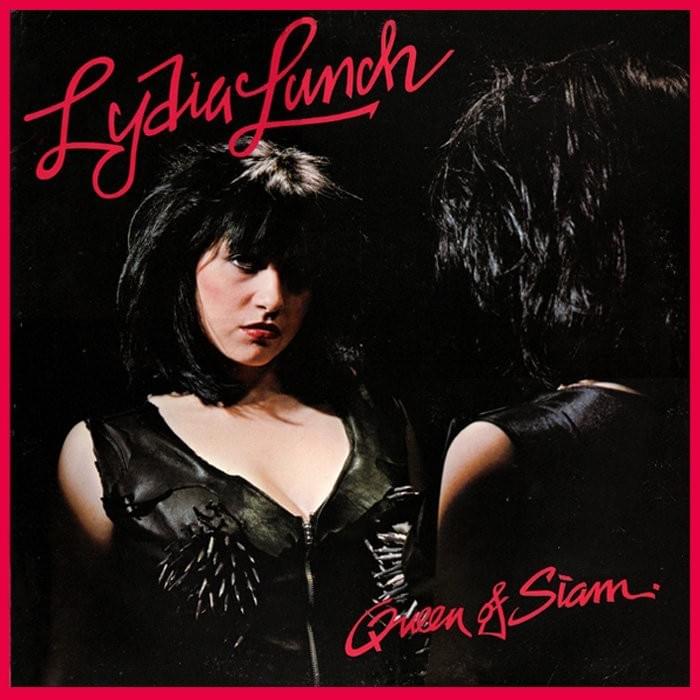
Lydia Lunch doesn't offer comfort. She offers a mirror reflecting the ugliness we try to ignore. "Knives in the Drain" is a primal scream distilled into a minimalist dirge, a portrait of psychic fragmentation painted with brutal honesty. The recurring image of "knives in my drain" suggests a purging of something unwanted, a violent rejection of societal expectations and perhaps even the self. This isn't mere angst; it's a confrontation with the inherent pain of existence, the "cancer of birth," as she starkly puts it. The drain becomes a metaphor for the internal plumbing of the mind, clogged with sharp, unwelcome thoughts and emotions. The knives aren't just present; they're actively being discarded, a desperate attempt at cleansing that ultimately proves futile.
The song's power lies in its unflinching depiction of gendered suffering. Lines like "every man's mad / And every girl's sad" and "every man's madness and I'm hurdling ripped to the core" point to a world where both sexes are trapped in destructive cycles. Men are consumed by a madness that perhaps stems from societal pressures, while women bear the brunt of this madness, left wounded and vulnerable. The "broken fingers of passion" and "every girl bleeds" evoke a sense of violated innocence and the painful consequences of desire. Lunch doesn't offer easy answers or blame, instead presenting a bleak landscape of shared trauma.
The final verse reinforces the cyclical nature of this pain. The speaker's actions – "I've carved knives in my hair" – suggest a self-inflicted violence, a desperate attempt to control the chaos within. The repetition of "every man's madness" underscores the inescapable nature of this suffering. Ultimately, the question "what's the use?" hangs heavy in the air, not as a plea for help, but as a defiant acknowledgment of the absurdity and pain of being. "Knives in the Drain" isn't a song to enjoy; it's a song to endure, a testament to the enduring power of confronting the darkness within ourselves and the world around us. Lydia Lunch's lyrics analysis reveals a bleak yet powerful truth about the human condition.
 View Artist